
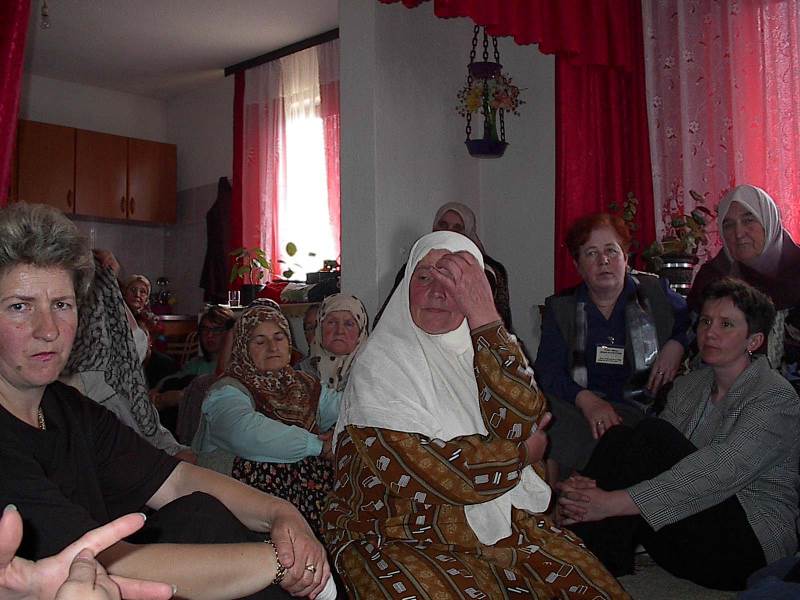
[fusion_builder_container hundred_percent=”no” equal_height_columns=”no” menu_anchor=”” hide_on_mobile=”small-visibility,medium-visibility,large-visibility” class=”” id=”” background_color=”” background_image=”” background_position=”center center” background_repeat=”no-repeat” fade=”no” background_parallax=”none” parallax_speed=”0.3″ video_mp4=”” video_webm=”” video_ogv=”” video_url=”” video_aspect_ratio=”16:9″ video_loop=”yes” video_mute=”yes” overlay_color=”” video_preview_image=”” border_size=”” border_color=”” border_style=”solid” padding_top=”” padding_bottom=”” padding_left=”” padding_right=””][fusion_builder_row][fusion_builder_column type=”1_1″ layout=”1_1″ background_position=”left top” background_color=”” border_size=”” border_color=”” border_style=”solid” border_position=”all” spacing=”yes” background_image=”” background_repeat=”no-repeat” padding_top=”” padding_right=”” padding_bottom=”” padding_left=”” margin_top=”0px” margin_bottom=”0px” class=”” id=”” animation_type=”” animation_speed=”0.3″ animation_direction=”left” hide_on_mobile=”small-visibility,medium-visibility,large-visibility” center_content=”no” last=”no” min_height=”” hover_type=”none” link=””][fusion_text columns=”” column_min_width=”” column_spacing=”” rule_style=”default” rule_size=”” rule_color=”” hide_on_mobile=”small-visibility,medium-visibility,large-visibility” class=”” id=”” animation_type=”” animation_direction=”left” animation_speed=”0.3″ animation_offset=””] The dead are powerfully alive in the commemoration rituals and intervene in the world of the living in benevolent forms such as hostessing a kolo. “Utilizing First Person Story with Trauma Survivors in Bosnia and Sri Lanka: Metaphors create a symbolic congruence that is ‘inclusive’ and universal across cultures Recognizing their participation in events is not at all about being responsible for the violent encounters that lead to trauma. When we embrace the instructional nature of trauma we find we are evolving. Rather if the stabbing ‘why me’ was embraced as instructional, we would be facing the truth of “what do we feel about ourselves?” At this point, we can change our perception and look up to see the whole world has changed. Their stories weave the thread of life. In the last hundred years life on the planet has been rife with continuous wars and natural catastrophes compiling never before told ‘first person’ stories on a horrific scale. What is a first person story? In essence, it is the ‘unplugged’ version of one’s first hand experience that weaves itself into one’s her/history. Nowhere is this more evident than when one re-counts the traumatic events of their lives. Germaine Greer states that first person is in actuality ‘feminism.’ Books, journals and other media venues have not arrayed a collection on women’s first person stories unless it can be reduced to a ‘sound bite’, 300 hundred word essay or the normal victim role for women bathed in silence. “We are confronted with the slaughter of Eve, a systematic gendercide of tragic proportions,” expresses author Theodore Winkler of “Women in an Insecure World.”1 We are discovering how trauma is a normal day and fear ridden night for most females globally since there is a reported 200 million shortfall of women as a result of gendercide2 . The research, studies and the carefully calculated numbers do not speak their first person stories. Yet, it is their stories that contain the key to living with trauma and evolving rather than to submit to the voracious violence. The arbitrary form of trauma studies, research and statistics erases the human being’s life experience. Ironically, the purpose of the trauma studies and research are to heal traumatic events and to understand trauma. Grappling with the ever widening abyss between what is reported in strict scientific measures and genocidal slow justice systems do not partner the truth that trauma is best healed through first person story and witnessing/hearing the trauma survivors’ life experience. It is only in speaking and sharing one’s life experiences to others who can actively listen that commences the healing process. Frank Ochberg’s Counting Method includes the trauma survivors’ first person story in a psychological science field stuffed with all the arbitrary forms found in studies/research which neuter the first person story content, readdresses the imbalance. Despite the neutering process, the Counting Method ensures its viability in the treatment of trauma. Certainly, when in the field (Africa, Bosnia, India, Sri Lanka) the ‘Counting Method’ confronts denial and allows the stark reality of the trauma survivors’ life experience to become an intensive learning cycle/phase for the individual and for all who bear witness to it. The Counting Method allows expression of silence and reflection into first person story and narrative. Frank Ochberg stated, “I would point out that the counting method is not really a first person narrative, but the silent experience of trauma, relived by the survivor in the presence of the therapist. Memory “speaks” without words. Then, afterward, the survivor and the therapist together review what has just been experienced.” It appears the foremost approach is to deny or silence first person stories’ values within the scientific methods and logodial media that are aimed at avoidance to listening and metabolizing first person stories. Often couched as polite backing away or “not the right data” for science methods or rule of law justice systems, the worshipped methodology only serves to enforce the professional distance towards any description of the drama/trauma or first person story through; the avoidance methods are found in mountains high paper work, proper sterile environment such as having a desk or certifications between the professional and individual or approved vocabulary contained in lectures and rule of law that is not that of the individual with their first person story; the denial methods that silences first person story and maintains the worthless ranking in our sciences to obscure the potency found in expressing life experiences. All women’s experiences are personal and political so a statement such as – ‘we do not speak politics’ silences women’s first persons’ story sealing their fate. If Trauma therapists and those who would bear witness to first person stories knew that they were able to manifest a healing culture by understanding how trauma is actually an intensive breakthrough learning cycle/phase, what would our learning approaches and healing practices look like. If approached with the deep knowing that trauma is a wounding that leads to new possibilities and evolving life, the intensive learning instructs through the meaningful and empowering drama/trauma involving four interactive cardinal points often observed as: guilt shame martyrism fear The four interactive cardinal points observed in the field work that I have done in- Africa, Bosnia, India and Sri Lanka — if embraced sets up an immediate intensive learning environment where each individual is paying great and acute attention. It does not matter that the appearance of intensive learning occurs without a structured classroom, walls of a building. Instead within the four interactive cardinal points the intensive learning is erected instantly stabbing