
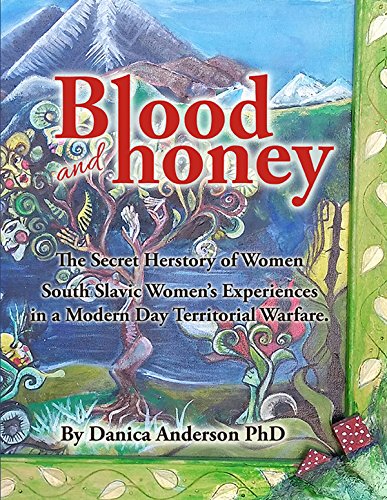
[fusion_builder_container hundred_percent=”no” hundred_percent_height=”no” hundred_percent_height_scroll=”no” hundred_percent_height_center_content=”yes” equal_height_columns=”no” menu_anchor=”” hide_on_mobile=”small-visibility,medium-visibility,large-visibility” status=”published” publish_date=”” class=”” id=”” border_size=”” border_color=”” border_style=”solid” margin_top=”” margin_bottom=”” padding_top=”” padding_right=”” padding_bottom=”” padding_left=”” gradient_start_color=”” gradient_end_color=”” gradient_start_position=”0″ gradient_end_position=”100″ gradient_type=”linear” radial_direction=”center” linear_angle=”180″ background_color=”” background_image=”” background_position=”center center” background_repeat=”no-repeat” fade=”no” background_parallax=”none” enable_mobile=”no” parallax_speed=”0.3″ background_blend_mode=”none” video_mp4=”” video_webm=”” video_ogv=”” video_url=”” video_aspect_ratio=”16:9″ video_loop=”yes” video_mute=”yes” video_preview_image=”” filter_hue=”0″ filter_saturation=”100″ filter_brightness=”100″ filter_contrast=”100″ filter_invert=”0″ filter_sepia=”0″ filter_opacity=”100″ filter_blur=”0″ filter_hue_hover=”0″ filter_saturation_hover=”100″ filter_brightness_hover=”100″ filter_contrast_hover=”100″ filter_invert_hover=”0″ filter_sepia_hover=”0″ filter_opacity_hover=”100″ filter_blur_hover=”0″][fusion_builder_row][fusion_builder_column type=”1_1″ layout=”1_1″ spacing=”” center_content=”no” link=”” target=”_self” min_height=”” hide_on_mobile=”small-visibility,medium-visibility,large-visibility” class=”” id=”” hover_type=”none” border_size=”0″ border_color=”” border_style=”solid” border_position=”all” border_radius=”” box_shadow=”no” dimension_box_shadow=”” box_shadow_blur=”0″ box_shadow_spread=”0″ box_shadow_color=”” box_shadow_style=”” padding_top=”” padding_right=”” padding_bottom=”” padding_left=”” margin_top=”” margin_bottom=”” background_type=”single” gradient_start_color=”” gradient_end_color=”” gradient_start_position=”0″ gradient_end_position=”100″ gradient_type=”linear” radial_direction=”center” linear_angle=”180″ background_color=”” background_image=”” background_image_id=”” background_position=”left top” background_repeat=”no-repeat” background_blend_mode=”none” animation_type=”” animation_direction=”left” animation_speed=”0.3″ animation_offset=”” filter_type=”regular” filter_hue=”0″ filter_saturation=”100″ filter_brightness=”100″ filter_contrast=”100″ filter_invert=”0″ filter_sepia=”0″ filter_opacity=”100″ filter_blur=”0″ filter_hue_hover=”0″ filter_saturation_hover=”100″ filter_brightness_hover=”100″ filter_contrast_hover=”100″ filter_invert_hover=”0″ filter_sepia_hover=”0″ filter_opacity_hover=”100″ filter_blur_hover=”0″ last=”no”][fusion_text columns=”” column_min_width=”” column_spacing=”” rule_style=”default” rule_size=”” rule_color=”” hide_on_mobile=”small-visibility,medium-visibility,large-visibility” class=”” id=”” animation_type=”” animation_direction=”left” animation_speed=”0.3″ animation_offset=””] This book is an entrance into the grief and hope of the Mother (Earth/Cosmic Mother), in a particular region of Her stress (South Slavic countries); which is a place wherein much of the old indigenous ways are still accessible, and are able to provide a meeting place for healing/wholing. The methods applied and described by Danica Anderson, the author, in this beautifully presented book, may provide a model for approach to healing deep trauma, which is becoming more common on a global scale in these times. The method primarily begins with “bearing witness”: most chapters begin with the paragraph heading “When and Where I Bore Witness”, and Danica notes that hearing and bearing witness to such stories requires courage and bravery. Key to the healing is this: After three raging wars on Balkan soil, the people have been forced to return to the Megalithic South Slavic way of life since many of the modern conveniences they once relied on have been destroyed. They work in the fields, prepare the same food, and practice the same domestic arts that their ancestors engaged in thousands of years ago. These small acts are re-enacted and woven into the fabric of their present moments because so much is unavailable to them in the aftermath of war. The return to the Megalithic South Slavic way of life provides something new, however[1]. I felt that the traumatic experiences and the aftermath in this specific place may serve as a prototype of the planetary situation unfolding presently on a large scale. Frequently there were whole paragraphs of this very rich book that I wanted to write out for you, but to be practical I had to choose, how to give you a taste of this book. It speaks to an essence, an essential component of healing the trauma of the world, a world beset with chronic war, besieged by reckless boys parading as leaders – really hoodlums and vandals. And the women – mothers and grandmothers, and all those who love them, get on with the sustenance of life as best they are able, in the midst. As Danica describes: South Slavic female justice is an evolutionary process that occurs through small acts done consistently and with great love. Sweeping up after the wars and baking sweets while boiling thick coffee in a wide –based and narrow necked pot called ajesvahas been done silently for generations, behind the scenes of what was cited as momentous humanitarian aid and policies that did not support or recognise them[2]. And commenting on the men sitting hunched in cafanas and drinking a thick demitasse of coffee: The men staring into their cups are alone; they have no companions, no kolo, just extreme loneliness … The men smoke and drink their coffee as their women walk by, carrying immense packages of potatoes to plant or bags of precious flour to bake with while their children pull at their skirts[3]. The shattering – emotional and physical, that Danica speaks of and witnesses could be read as the shattering which many currently experience in many other global regions, including our hearts, in the face of the extant and wanton destruction of forests, rivers, species and peoples including children. Danica states that amongst other definitions of the word ‘Balkan’[4], the translation from Serbo-Croation to English means ‘blood and honey’: that is, ‘Bal’ meaning honey and ‘kan’ meaning blood. Yet as Danica describes later in the book, the ‘blood’ part of the word is originally not the blood of war as one may think in this era. The blood in this “land of Blood and Honey” was not “the spilt blood of wars or genocide but the rivers, the waters that feed the land into honey: abundance”[5]. The term ‘Balkan” is connected to migratory patterns, to a land of (life) blood and honey; but the term now “has a meaning for a century of brutal wars and diaspora”, a migration that is now perverted to “a fleeing from violence”. And as Danica describes, it is the South Slav’s relations with “the Moist Mother Earth”, encoded yet still in the DNA, and in remnants of cultural practices, and especially in women’s everyday constant sustaining of life, that is at the core of the healing process. She says: “I have experienced the psychosomatic healing that exudes from the women’s kolo rituals, and oral memory tradition science of ancient round dancing and other practices, that is not easily captured by traditional empirical methods”[6]. She describes it as the “women’s evolutionary approaches surmounting what most would say are impassable obstacles and arduous struggles … largely ignored by those humanitarian and justice agencies that were there to help”[7]. In one of all the powerful chapters in Blood and Honey (a chapter called “Bogumile”), Danica writes of the loitering unemployed males “standing around with nothing to do”, lining the Novi Travnik streets and filling the cafes: and I thought, is this not a global problem – males with not enough to do, in a world that needs so much to be done? Young Bosnian males boast of their warrior skills, and don’t know what to do with them: domestic violence reigns, as military skills