
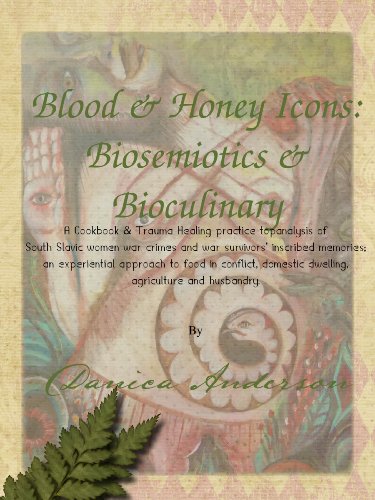
[fusion_builder_container hundred_percent=”no” hundred_percent_height=”no” hundred_percent_height_scroll=”no” hundred_percent_height_center_content=”yes” equal_height_columns=”no” menu_anchor=”” hide_on_mobile=”small-visibility,medium-visibility,large-visibility” status=”published” publish_date=”” class=”” id=”” border_size=”” border_color=”” border_style=”solid” margin_top=”” margin_bottom=”” padding_top=”” padding_right=”” padding_bottom=”” padding_left=”” gradient_start_color=”” gradient_end_color=”” gradient_start_position=”0″ gradient_end_position=”100″ gradient_type=”linear” radial_direction=”center” linear_angle=”180″ background_color=”” background_image=”” background_position=”center center” background_repeat=”no-repeat” fade=”no” background_parallax=”none” enable_mobile=”no” parallax_speed=”0.3″ background_blend_mode=”none” video_mp4=”” video_webm=”” video_ogv=”” video_url=”” video_aspect_ratio=”16:9″ video_loop=”yes” video_mute=”yes” video_preview_image=”” filter_hue=”0″ filter_saturation=”100″ filter_brightness=”100″ filter_contrast=”100″ filter_invert=”0″ filter_sepia=”0″ filter_opacity=”100″ filter_blur=”0″ filter_hue_hover=”0″ filter_saturation_hover=”100″ filter_brightness_hover=”100″ filter_contrast_hover=”100″ filter_invert_hover=”0″ filter_sepia_hover=”0″ filter_opacity_hover=”100″ filter_blur_hover=”0″][fusion_builder_row][fusion_builder_column type=”1_1″ layout=”1_1″ spacing=”” center_content=”no” link=”” target=”_self” min_height=”” hide_on_mobile=”small-visibility,medium-visibility,large-visibility” class=”” id=”” hover_type=”none” border_size=”0″ border_color=”” border_style=”solid” border_position=”all” border_radius=”” box_shadow=”no” dimension_box_shadow=”” box_shadow_blur=”0″ box_shadow_spread=”0″ box_shadow_color=”” box_shadow_style=”” padding_top=”” padding_right=”” padding_bottom=”” padding_left=”” margin_top=”” margin_bottom=”” background_type=”single” gradient_start_color=”” gradient_end_color=”” gradient_start_position=”0″ gradient_end_position=”100″ gradient_type=”linear” radial_direction=”center” linear_angle=”180″ background_color=”” background_image=”” background_image_id=”” background_position=”left top” background_repeat=”no-repeat” background_blend_mode=”none” animation_type=”” animation_direction=”left” animation_speed=”0.3″ animation_offset=”” filter_type=”regular” filter_hue=”0″ filter_saturation=”100″ filter_brightness=”100″ filter_contrast=”100″ filter_invert=”0″ filter_sepia=”0″ filter_opacity=”100″ filter_blur=”0″ filter_hue_hover=”0″ filter_saturation_hover=”100″ filter_brightness_hover=”100″ filter_contrast_hover=”100″ filter_invert_hover=”0″ filter_sepia_hover=”0″ filter_opacity_hover=”100″ filter_blur_hover=”0″ last=”no”][fusion_text columns=”” column_min_width=”” column_spacing=”” rule_style=”default” rule_size=”” rule_color=”” hide_on_mobile=”small-visibility,medium-visibility,large-visibility” class=”” id=”” animation_type=”” animation_direction=”left” animation_speed=”0.3″ animation_offset=””] A Book Review of Blood & Honey Icons: Biosemiotics & Bioculinary by Donna Snyder Blood & Honey Icons: Biosemiotics & Bioculinary by Dr. Danica Anderson, Connie Simpson and Erin Hilleary (Dec 28, 2012) I bought this book to support work with South Slavic survivors of war and war crimes in the Balkan conflicts of the late 20th Century. For my money I got a complex book that ably serves many roles: a socio-political history of that specific conflict and related prior wars; an anthropological study, particularly of the women there, its mythology, its cultural artifacts from pre-historical times to the present, and the Slavic immigrant community of Chicago; a primer on reading tea leaves and coffee dregs; a set of iconographic images to use in self-discovery; a book of recipes of traditional ethnic food; and a lesson on healing practices useful for victims of violence and trauma anywhere. All that in one book of 208 pages. The first section of the Book, subtitled Biosemiotics: The Pedagogy of South Slavic Female War and War Crimes Survivors [and] Female Social Collective Practices is written in the language of academic social studies, a study of how the bodies and neurobiology of South Slavic women have been affected by threatening and frightening episodes expressed through archetypes. The technical jargon makes this section somewhat dense, but not impenetrable, due to the ample and vivid illustration of scholarly concepts with lucid and compelling examples from Danica’s own childhood as a member of the South Slavic immigrant community of Chicago. Her father, a rural man, and her mother, who had been interred in a World War II prison camp, immigrated to the United States, where Anderson was born, although she did not learn English until second grade. Anderson’s experience as the child of non-English speaking immigrants mirrors the life of many immigrants where I live on the border of El Paso, Texas and Juárez, Chihuahua, people whose families live here but surrounded by the culture of the country left behind. As the children of immigrants living on this side of the border, once Danica learned English, even as a small child she had to interpret for her parents and other elders. Her close involvement with the immigrant community resulted in her own emotional experience of the traumas suffered by those older than she, as well as providing her direct experience of the culture’s female social collective practices. The South Slavic traditions were inculcated into her heart and life, particularly the kolo, the ritual and social circle dances she learned as a child and which she draws upon in her healing work with trauma survivors, not only victims in the Balkan wars but also elsewhere in the world such as Haiti, the Sudan, Afghanistan, and Uganda where other great catastrophes and atrocities have occurred and people have suffered the affects of constant war. The book itself reflects the kolo, the circles and repetitions of the dance, the stories and images repeated in various sections in such a way as to integrate memory with understanding in the reader. In addition to the linguistic, anthropological, and neurobiological discussion in the section on pedagogy, the book has a section of artistic images, icons taken or adapted from prehistoric art and later folk tales. These lavish images can be downloaded from the kolo website, along with the text of the book, and instructions are provided on how you can use the images to find insight into your own history and personal growth. This section is truly beautiful, and yet conveys complex data of many millennia of life in the Balkan region, which can be translated and integrated into a universal consciousness. Each icon accompanies a description of its cultural source and its relationship to the current situation of the widows and children survivors who populate the region. Each of these modern stories are moving, even horrific, yet are shown in the context of movement from trauma to an indigenous form of treatment and healing. Each icon is also associated with a recipe for traditional South Slavic ethnic food, with an emphasis on locally grown, natural foodstuffs, agriculture, and husbandry. These recipes mirror the current upsurge of an interest in local products and self-sufficiency in the permaculture movement here in El Paso, which has close ties to the political advocacy and cultural work of La Mujer Obrera, the region’s garment worker labor organization. I find these parallel connections between women’s cultural and political work and the movement to buy locally grown and natural foods fascinating, and not at all likely to be coincidental. Because of Anderson’s focus on the healing of the widows and victims of mass rape and other military violence and terrorism, there is also a focus on women’s traditional ways of finding community. In South Slavic culture, one common practice is the reading of tea leaves or coffee remnants after sharing a hot drink and sweet bread. Consequently the book provides a section explaining the practice and providing instruction. In the Mexico and US borderlands, many women practice indigenous healing, from curanderas, who use herbal remedies, to sobadoras, who practice a fierce and effective type of massage therapy, to
History of The Kolo: Women’s Cross-Cultural Collaboration
[fusion_builder_container hundred_percent=”no” hundred_percent_height=”no” hundred_percent_height_scroll=”no” hundred_percent_height_center_content=”yes” equal_height_columns=”no” menu_anchor=”” hide_on_mobile=”small-visibility,medium-visibility,large-visibility” status=”published” publish_date=”” class=”” id=”” border_size=”” border_color=”” border_style=”solid” margin_top=”” margin_bottom=”” padding_top=”” padding_right=”” padding_bottom=”” padding_left=”” gradient_start_color=”” gradient_end_color=”” gradient_start_position=”0″ gradient_end_position=”100″ gradient_type=”linear” radial_direction=”center” linear_angle=”180″ background_color=”” background_image=”” background_position=”center center” background_repeat=”no-repeat” fade=”no” background_parallax=”none” enable_mobile=”no” parallax_speed=”0.3″ background_blend_mode=”none” video_mp4=”” video_webm=”” video_ogv=”” video_url=”” video_aspect_ratio=”16:9″ video_loop=”yes” video_mute=”yes” video_preview_image=”” filter_hue=”0″ filter_saturation=”100″ filter_brightness=”100″ filter_contrast=”100″ filter_invert=”0″ filter_sepia=”0″ filter_opacity=”100″ filter_blur=”0″ filter_hue_hover=”0″ filter_saturation_hover=”100″ filter_brightness_hover=”100″ filter_contrast_hover=”100″ filter_invert_hover=”0″ filter_sepia_hover=”0″ filter_opacity_hover=”100″ filter_blur_hover=”0″][fusion_builder_row][fusion_builder_column type=”1_1″ layout=”1_1″ spacing=”” center_content=”no” link=”” target=”_self” min_height=”” hide_on_mobile=”small-visibility,medium-visibility,large-visibility” class=”” id=”” hover_type=”none” border_size=”0″ border_color=”” border_style=”solid” border_position=”all” border_radius=”” box_shadow=”no” dimension_box_shadow=”” box_shadow_blur=”0″ box_shadow_spread=”0″ box_shadow_color=”” box_shadow_style=”” padding_top=”” padding_right=”” padding_bottom=”” padding_left=”” margin_top=”” margin_bottom=”” background_type=”single” gradient_start_color=”” gradient_end_color=”” gradient_start_position=”0″ gradient_end_position=”100″ gradient_type=”linear” radial_direction=”center” linear_angle=”180″ background_color=”” background_image=”” background_image_id=”” background_position=”left top” background_repeat=”no-repeat” background_blend_mode=”none” animation_type=”” animation_direction=”left” animation_speed=”0.3″ animation_offset=”” filter_type=”regular” filter_hue=”0″ filter_saturation=”100″ filter_brightness=”100″ filter_contrast=”100″ filter_invert=”0″ filter_sepia=”0″ filter_opacity=”100″ filter_blur=”0″ filter_hue_hover=”0″ filter_saturation_hover=”100″ filter_brightness_hover=”100″ filter_contrast_hover=”100″ filter_invert_hover=”0″ filter_sepia_hover=”0″ filter_opacity_hover=”100″ filter_blur_hover=”0″ last=”no”][fusion_text columns=”” column_min_width=”” column_spacing=”” rule_style=”default” rule_size=”” rule_color=”” hide_on_mobile=”small-visibility,medium-visibility,large-visibility” class=”” id=”” animation_type=”” animation_direction=”left” animation_speed=”0.3″ animation_offset=””] Our story begins in Bosnia, site of recent and past genocides with brutal wars that have displaced and traumatized its people in unspeakable ways. The title is a reflection of this region and its many horrors since the word Balkan translates into ‘blood and honey’. All over the world, women, men and children have suffered immeasurably from horrific acts of violence in countries such as Kenya, the Congo, Rwanda, India, Sri Lanka, the Sudan and Uganda. Not only does the violence traumatize those who face it, the trauma remains with its victims wherever they travel and is passed down generation after generation. The reality is, nothing has been effective in facing this grossly fecund intergenerational trauma—or finding a way to heal the wounds it causes. Women and children, especially young girls, bear the brunt of much of the violence perpetuated throughout the world. According to author Theodor Winkler, violence against women is the fourth-leading cause of premature death on the planet, ranking behind only disease, hunger and war. “We are confronted with the slaughter of Eve, a systematic gendercide of tragic proportion,” wrote Winkler in his book, Women In An Insecure World. Unfortunately, many in the international community don’t even consider rape a war crime. Many media stories have explored violence but often portray women and children only in their victim roles, turning them into poster models for humanitarian aid agencies and allies. Yet, despite such media exposure and new rules of law concerning rape as war crimes, the ripple effect of trauma continues, scarring entire communities around the globe. Our work is informed by the kolo, an ancient round dance and circle tradition tracing beyond Paleolithic origins. The kolo has been known to South Slavs for generations since it shares the amenities of organized social life based on collaboration and peace before war became a modern reality. The kolo tradition integrates traumatized women’s lives through their first person stories. This healing process has been especially beneficial to the people of Bosnia who have experienced three wars in the past 100 years. Through the kolo, this “witnessing” enables people to escape the human bondage to intergenerational trauma and the war environment. The integral part of the kolo, whether dancing the round folk dances or being in a circle, is the concentrated collective ability to bear witness and share one’s story. According to forensic psychotherapist Danica Anderson, PhD and founder of the nonprofit The Kolo: Cross Cultural Collaboration, this circle remains within Bosnians’ consciousness as if it were the only thing from their past that could not be erased. To tell our story we explore how Bosnian Muslim women war survivors and Anderson, an American/Serbian woman raised in a family of violence, continually return to the kolo experience to heal their brutal intergenerational emotional wounds of trauma. As she worked with these women, two important aspects were made evident to Danica. First, the way in which the women grew to understand that in healing their own trauma, they heal all others. The second aspect was their refusal to hover between realms of war and violence. They chose instead to bring an archaic cultural symbolism into the aftermath of war so that the literacy of abundance and peace prevails. Through their stories, they are able to author a nonviolent sequel to their lives—and the lives of their children. The programmatic Kolo Trauma Treatment and Training Format is across the globe as a result. From Africa (Chad, Democratic Republic of the Congo (DRC), Sudan and Uganda), India and Sri Lanka, to the Haiti 2010 earthquake, the Kolo: WCCC has applied the somatic based trauma therapies, one of the earliest forms of sensorimotor psychotherapy and neuropsychological psychology practices. There is no money, no publicity for this work to help the women heal. In Bosnia, the women are empowered by a safe and ancient archeomythology of Old Europe, a symbolic process that does not offend or provoke the ire of patriarchal religions or governing entities. The process ultimately leads to the painful but necessary bearing witness—communal applications of wisdom, resiliency and thriving life skills. And by bearing witness among those with whom they share the circle, the women remember that they are empowered to heal their families and communities. Through the kolo’s universal communal features, Danica has experienced and worked the kolo with women in Africa, Sri Lanka and Kerala, India. The Kolo Trauma Treatment Format revokes any outside authority by empowering the participants, the women, to re-remember they manifest culture and are the healers of their global communities—societies where women and children are not invisible or erased. [/fusion_text][/fusion_builder_column][/fusion_builder_row][/fusion_builder_container]