
[fusion_builder_container hundred_percent=”no” hundred_percent_height=”no” hundred_percent_height_scroll=”no” hundred_percent_height_center_content=”yes” equal_height_columns=”no” menu_anchor=”” hide_on_mobile=”small-visibility,medium-visibility,large-visibility” status=”published” publish_date=”” class=”” id=”” border_size=”” border_color=”” border_style=”solid” margin_top=”” margin_bottom=”” padding_top=”” padding_right=”” padding_bottom=”” padding_left=”” gradient_start_color=”” gradient_end_color=”” gradient_start_position=”0″ gradient_end_position=”100″ gradient_type=”linear” radial_direction=”center” linear_angle=”180″ background_color=”” background_image=”” background_position=”center center” background_repeat=”no-repeat” fade=”no” background_parallax=”none” enable_mobile=”no” parallax_speed=”0.3″ background_blend_mode=”none” video_mp4=”” video_webm=”” video_ogv=”” video_url=”” video_aspect_ratio=”16:9″ video_loop=”yes” video_mute=”yes” video_preview_image=”” filter_hue=”0″ filter_saturation=”100″ filter_brightness=”100″ filter_contrast=”100″ filter_invert=”0″ filter_sepia=”0″ filter_opacity=”100″ filter_blur=”0″ filter_hue_hover=”0″ filter_saturation_hover=”100″ filter_brightness_hover=”100″ filter_contrast_hover=”100″ filter_invert_hover=”0″ filter_sepia_hover=”0″ filter_opacity_hover=”100″ filter_blur_hover=”0″][fusion_builder_row][fusion_builder_column type=”1_1″ layout=”1_1″ spacing=”” center_content=”no” link=”” target=”_self” min_height=”” hide_on_mobile=”small-visibility,medium-visibility,large-visibility” class=”” id=”” hover_type=”none” border_size=”0″ border_color=”” border_style=”solid” border_position=”all” border_radius=”” box_shadow=”no” dimension_box_shadow=”” box_shadow_blur=”0″ box_shadow_spread=”0″ box_shadow_color=”” box_shadow_style=”” padding_top=”” padding_right=”” padding_bottom=”” padding_left=”” margin_top=”” margin_bottom=”” background_type=”single” gradient_start_color=”” gradient_end_color=”” gradient_start_position=”0″ gradient_end_position=”100″ gradient_type=”linear” radial_direction=”center” linear_angle=”180″ background_color=”” background_image=”” background_image_id=”” background_position=”left top” background_repeat=”no-repeat” background_blend_mode=”none” animation_type=”” animation_direction=”left” animation_speed=”0.3″ animation_offset=”” filter_type=”regular” filter_hue=”0″ filter_saturation=”100″ filter_brightness=”100″ filter_contrast=”100″ filter_invert=”0″ filter_sepia=”0″ filter_opacity=”100″ filter_blur=”0″ filter_hue_hover=”0″ filter_saturation_hover=”100″ filter_brightness_hover=”100″ filter_contrast_hover=”100″ filter_invert_hover=”0″ filter_sepia_hover=”0″ filter_opacity_hover=”100″ filter_blur_hover=”0″ last=”no”][fusion_text columns=”” column_min_width=”” column_spacing=”” rule_style=”default” rule_size=”” rule_color=”” hide_on_mobile=”small-visibility,medium-visibility,large-visibility” class=”” id=”” animation_type=”” animation_direction=”left” animation_speed=”0.3″ animation_offset=””] How can we honor International Women’s Day with the Afghani women? I can say to the Bosnian, Serb, Croat women, ‘Ma sretna ti zena’, as well as to the Eastern European women. How can we honor International Women’s Day to the Syrian, Iranian, Turkish, Arab and African women that will let them know I have worked hard to honor women, heal trauma and that I feel for them and all of their children? How can we honor International Women’s Day with a one-day Western holiday begrudgingly given to the Asian-Pacific Islanders? How can we honor International Women’s Day to the mothers taken at the southern border of the USA? To Central America, South America, the Caribbean Islanders? – Danica Anderson, Founder and Clinical Program Director [/fusion_text][fusion_section_separator divider_type=”horizon” divider_position=”left” divider_candy=”top” icon=”” icon_color=”” bordersize=”” bordercolor=”” backgroundcolor=”” hide_on_mobile=”small-visibility,medium-visibility,large-visibility” class=”” id=”” /][fusion_title title_type=”text” rotation_effect=”bounceIn” display_time=”1200″ highlight_effect=”circle” loop_animation=”off” highlight_width=”9″ highlight_top_margin=”0″ before_text=”” rotation_text=”” highlight_text=”” after_text=”” hide_on_mobile=”small-visibility,medium-visibility,large-visibility” class=”” id=”” content_align=”left” size=”3″ font_size=”” animated_font_size=”” line_height=”” letter_spacing=”” margin_top=”” margin_bottom=”” margin_top_mobile=”” margin_bottom_mobile=”” text_color=”” animated_text_color=”” highlight_color=”” style_type=”single solid” sep_color=”#961b1e”] History and Meaning of International Women’s Day [/fusion_title][fusion_text columns=”” column_min_width=”” column_spacing=”” rule_style=”default” rule_size=”” rule_color=”” hide_on_mobile=”small-visibility,medium-visibility,large-visibility” class=”” id=”” animation_type=”” animation_direction=”left” animation_speed=”0.3″ animation_offset=””] March 8, International Working Women’s Day, with a 110 year history in commemorating women’s political struggles insisting on her primacy to author her destiny, and promoting the fight for equal rights, and progress. The founding of International Women’s Day was birthed through women collaborating, inspired by each other’s public political struggles for women’s rights and liberation across the world. In Chicago, 1908 U.S. socialist women celebrated a Women’s Day giving rise to solidarity from international women collaborating on the horizon. In Germany 1910, Luise Zietz and Clara Zetkin were inspired by their foresisters, and proposed at the International Women’s Conference, a proclamation to establish an annual International Women’s Day, endorsed by women from over 17 countries. A day for commemorating working women’s struggles both personal and political, at home and life at large – stressing the need to advance history for all with demands including equal pay in the workplace, and equal rights in law, all of which we still battle to this day. The meaning of International Women’s Day of recognition took a turn from it’s roots upon the United Nations recognition of International Women’s Day in 1977 when it became a day for cards and flowers and spa days in the U.S. for your sister. Let us never forget the struggles women have fought and we continue to face today, and the fierce fierce women poured into the streets this weekend to keep in tradition of 110 years ago. [/fusion_text][/fusion_builder_column][/fusion_builder_row][/fusion_builder_container][fusion_builder_container hundred_percent=”no” hundred_percent_height=”no” hundred_percent_height_scroll=”no” hundred_percent_height_center_content=”yes” equal_height_columns=”no” menu_anchor=”” hide_on_mobile=”small-visibility,medium-visibility,large-visibility” status=”published” publish_date=”” class=”” id=”” border_size=”4″ border_color=”” border_style=”solid” margin_top=”10px” margin_bottom=”10px” padding_top=”10px” padding_right=”” padding_bottom=”10px” padding_left=”” gradient_start_color=”#fcc63f” gradient_end_color=”” gradient_start_position=”5″ gradient_end_position=”53″ gradient_type=”radial” radial_direction=”center left” linear_angle=”180″ background_color=”” background_image=”” background_position=”center center” background_repeat=”no-repeat” fade=”no” background_parallax=”none” enable_mobile=”no” parallax_speed=”0.3″ background_blend_mode=”none” video_mp4=”” video_webm=”” video_ogv=”” video_url=”” video_aspect_ratio=”16:9″ video_loop=”yes” video_mute=”yes” video_preview_image=”” filter_hue=”0″ filter_saturation=”100″ filter_brightness=”100″ filter_contrast=”100″ filter_invert=”0″ filter_sepia=”0″ filter_opacity=”100″ filter_blur=”0″ filter_hue_hover=”0″ filter_saturation_hover=”100″ filter_brightness_hover=”100″ filter_contrast_hover=”100″ filter_invert_hover=”0″ filter_sepia_hover=”0″ filter_opacity_hover=”100″ filter_blur_hover=”0″][fusion_builder_row][fusion_builder_column type=”1_1″ spacing=”” center_content=”no” link=”” target=”_self” min_height=”” hide_on_mobile=”small-visibility,medium-visibility,large-visibility” class=”” id=”” hover_type=”none” border_size=”0″ border_color=”” border_style=”solid” border_position=”all” box_shadow=”no” box_shadow_blur=”0″ box_shadow_spread=”0″ box_shadow_color=”” box_shadow_style=”” background_type=”single” gradient_start_position=”0″ gradient_end_position=”100″ gradient_type=”linear” radial_direction=”center” linear_angle=”180″ background_color=”” background_image=”” background_image_id=”” background_position=”left top” background_repeat=”no-repeat” background_blend_mode=”none” animation_type=”” animation_direction=”left” animation_speed=”0.3″ animation_offset=”” filter_type=”regular” filter_hue=”0″ filter_saturation=”100″ filter_brightness=”100″ filter_contrast=”100″ filter_invert=”0″ filter_sepia=”0″ filter_opacity=”100″ filter_blur=”0″ filter_hue_hover=”0″ filter_saturation_hover=”100″ filter_brightness_hover=”100″ filter_contrast_hover=”100″ filter_invert_hover=”0″ filter_sepia_hover=”0″ filter_opacity_hover=”100″ filter_blur_hover=”0″ last=”no”][fusion_text columns=”” column_min_width=”” column_spacing=”” rule_style=”default” rule_size=”” rule_color=”” hide_on_mobile=”small-visibility,medium-visibility,large-visibility” class=”” id=”” animation_type=”” animation_direction=”left” animation_speed=”0.3″ animation_offset=””] Sign-up to receive emails Stay updated via email for our newsletters, articles and be the first to know about upcoming events and opportunities to get involved. [/fusion_text][fusion_code]W2NvbnRhY3QtZm9ybS03IGlkPSI4OTMiIHRpdGxlPSJNYWlsaW5nIExpc3QgU2lnbi1VcCJd[/fusion_code][/fusion_builder_column][/fusion_builder_row][/fusion_builder_container][fusion_builder_container hundred_percent=”no” hundred_percent_height=”no” hundred_percent_height_scroll=”no” hundred_percent_height_center_content=”yes” equal_height_columns=”no” menu_anchor=”” hide_on_mobile=”small-visibility,medium-visibility,large-visibility” status=”published” publish_date=”” class=”” id=”” border_size=”” border_color=”” border_style=”solid” margin_top=”” margin_bottom=”” padding_top=”” padding_right=”” padding_bottom=”” padding_left=”” gradient_start_position=”0″ gradient_end_position=”100″ gradient_type=”linear” radial_direction=”center” linear_angle=”180″ background_color=”” background_image=”” background_position=”center center” background_repeat=”no-repeat” fade=”no” background_parallax=”none” enable_mobile=”no” parallax_speed=”0.3″ background_blend_mode=”none” video_mp4=”” video_webm=”” video_ogv=”” video_url=”” video_aspect_ratio=”16:9″ video_loop=”yes” video_mute=”yes” video_preview_image=”” filter_hue=”0″ filter_saturation=”100″ filter_brightness=”100″ filter_contrast=”100″ filter_invert=”0″ filter_sepia=”0″ filter_opacity=”100″ filter_blur=”0″ filter_hue_hover=”0″ filter_saturation_hover=”100″ filter_brightness_hover=”100″ filter_contrast_hover=”100″ filter_invert_hover=”0″ filter_sepia_hover=”0″ filter_opacity_hover=”100″ filter_blur_hover=”0″][fusion_builder_row][fusion_builder_column type=”1_1″ layout=”1_1″ spacing=”” center_content=”no” link=”” target=”_self” min_height=”” hide_on_mobile=”small-visibility,medium-visibility,large-visibility” class=”” id=”” hover_type=”none” border_size=”0″ border_color=”” border_style=”solid” border_position=”all” box_shadow=”no” box_shadow_blur=”0″ box_shadow_spread=”0″ box_shadow_color=”” box_shadow_style=”” background_type=”single” gradient_start_position=”0″ gradient_end_position=”100″ gradient_type=”linear” radial_direction=”center” linear_angle=”180″ background_color=”” background_image=”” background_image_id=”” background_position=”left top” background_repeat=”no-repeat” background_blend_mode=”none” animation_type=”” animation_direction=”left” animation_speed=”0.3″ animation_offset=”” filter_type=”regular” filter_hue=”0″ filter_saturation=”100″ filter_brightness=”100″ filter_contrast=”100″ filter_invert=”0″ filter_sepia=”0″ filter_opacity=”100″ filter_blur=”0″ filter_hue_hover=”0″ filter_saturation_hover=”100″ filter_brightness_hover=”100″ filter_contrast_hover=”100″ filter_invert_hover=”0″ filter_sepia_hover=”0″ filter_opacity_hover=”100″ filter_blur_hover=”0″ last=”no”][fusion_title title_type=”text” rotation_effect=”bounceIn” display_time=”1200″ highlight_effect=”circle” loop_animation=”off” highlight_width=”9″ highlight_top_margin=”0″ before_text=”” rotation_text=”” highlight_text=”” after_text=”” hide_on_mobile=”small-visibility,medium-visibility,large-visibility” class=”” id=”” content_align=”left” size=”3″ font_size=”” animated_font_size=”” line_height=”” letter_spacing=”” margin_top=”” margin_bottom=”” margin_top_mobile=”” margin_bottom_mobile=”” text_color=”” animated_text_color=”” highlight_color=”” style_type=”single solid” sep_color=”#961b1e”] Elinor Ostrom, Governing the Commons [/fusion_title][fusion_text columns=”” column_min_width=”” column_spacing=”” rule_style=”default” rule_size=”” rule_color=”” hide_on_mobile=”small-visibility,medium-visibility,large-visibility” class=”” id=”” animation_type=”” animation_direction=”left” animation_speed=”0.3″ animation_offset=””] Elinor Ostrom (b. 1933- d. 2012), the first and only woman to receive the Nobel Prize in Economic Sciences in 2009, for her myth-busting esteemed research and fieldwork on the commons and social collective action, relied upon a epigenetic and collaborative social collective backbone in alignment with the Kolo Self Trauma Care Protocol. Ostrom devoted her life to the power in people’s every day small acts to evolve how we manage the commons sustainably by evolving our collective self-governance. Both The Kolo: WCCC and Elinor Ostrom’s bodies of work instruct us to collaborate in social collectives, heal trauma and confront the greatest crises of our times where violence
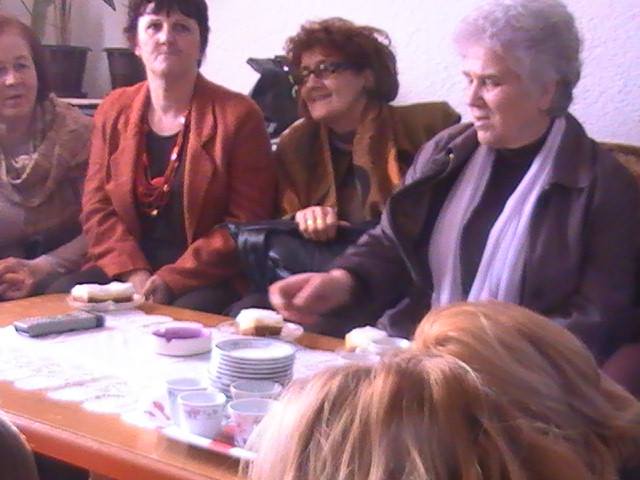
The Cultural Lens of Genomics & Genocides to Gynocides
[fusion_builder_container hundred_percent=”no” hundred_percent_height=”no” hundred_percent_height_scroll=”no” hundred_percent_height_center_content=”yes” equal_height_columns=”no” menu_anchor=”” hide_on_mobile=”small-visibility,medium-visibility,large-visibility” status=”published” publish_date=”” class=”” id=”” border_size=”” border_color=”” border_style=”solid” margin_top=”” margin_bottom=”” padding_top=”” padding_right=”” padding_bottom=”” padding_left=”” gradient_start_color=”” gradient_end_color=”” gradient_start_position=”0″ gradient_end_position=”100″ gradient_type=”linear” radial_direction=”center” linear_angle=”180″ background_color=”” background_image=”” background_position=”center center” background_repeat=”no-repeat” fade=”no” background_parallax=”none” enable_mobile=”no” parallax_speed=”0.3″ background_blend_mode=”none” video_mp4=”” video_webm=”” video_ogv=”” video_url=”” video_aspect_ratio=”16:9″ video_loop=”yes” video_mute=”yes” video_preview_image=”” filter_hue=”0″ filter_saturation=”100″ filter_brightness=”100″ filter_contrast=”100″ filter_invert=”0″ filter_sepia=”0″ filter_opacity=”100″ filter_blur=”0″ filter_hue_hover=”0″ filter_saturation_hover=”100″ filter_brightness_hover=”100″ filter_contrast_hover=”100″ filter_invert_hover=”0″ filter_sepia_hover=”0″ filter_opacity_hover=”100″ filter_blur_hover=”0″][fusion_builder_row][fusion_builder_column type=”1_1″ layout=”2_3″ spacing=”” center_content=”no” link=”” target=”_self” min_height=”” hide_on_mobile=”small-visibility,medium-visibility,large-visibility” class=”” id=”” hover_type=”none” border_size=”0″ border_color=”” border_style=”solid” border_position=”all” border_radius=”” box_shadow=”no” dimension_box_shadow=”” box_shadow_blur=”0″ box_shadow_spread=”0″ box_shadow_color=”” box_shadow_style=”” padding_top=”” padding_right=”” padding_bottom=”” padding_left=”” margin_top=”” margin_bottom=”” background_type=”single” gradient_start_color=”” gradient_end_color=”” gradient_start_position=”0″ gradient_end_position=”100″ gradient_type=”linear” radial_direction=”center” linear_angle=”180″ background_color=”” background_image=”” background_image_id=”” background_position=”left top” background_repeat=”no-repeat” background_blend_mode=”none” animation_type=”” animation_direction=”left” animation_speed=”0.3″ animation_offset=”” filter_type=”regular” filter_hue=”0″ filter_saturation=”100″ filter_brightness=”100″ filter_contrast=”100″ filter_invert=”0″ filter_sepia=”0″ filter_opacity=”100″ filter_blur=”0″ filter_hue_hover=”0″ filter_saturation_hover=”100″ filter_brightness_hover=”100″ filter_contrast_hover=”100″ filter_invert_hover=”0″ filter_sepia_hover=”0″ filter_opacity_hover=”100″ filter_blur_hover=”0″ last=”no”][fusion_text columns=”” column_min_width=”” column_spacing=”” rule_style=”default” rule_size=”” rule_color=”” hide_on_mobile=”small-visibility,medium-visibility,large-visibility” class=”” id=”” animation_type=”” animation_direction=”left” animation_speed=”0.3″ animation_offset=””] We know more than we can tell South Slavic Women Balkan War Crimes & War Survivors & WWII Holocaust [/fusion_text][fusion_text columns=”” column_min_width=”” column_spacing=”” rule_style=”default” rule_size=”” rule_color=”” hide_on_mobile=”small-visibility,medium-visibility,large-visibility” class=”” id=”” animation_type=”” animation_direction=”left” animation_speed=”0.3″ animation_offset=””] A span of sixteen years in working with the trauma survivors from Novi Travnik, Bosnia treating trauma from a forensic psychobiological and oral memory traditions approach investigates the survivors’ mastery of socially learned information and skills (culture). Large scale patterns are found with the three million refugees that flooded Europe fleeing the Balkan War (1991-1993) that could impart resources in dealing with the millions of Syrian refugees flooding Europe today as well as other global refugee crises. One result and pattern is the diaspora from economic pressures in the aftermath of war and refugee status in foreign countries. According to Mertus (2000) an estimated 80% of the refugees are women, mostly mothers and major caregivers. But, we know culture is manifested by mothers/female kinships wholly inclusive of men and children. However, we have seen how the holocaust, genocides and gynocides hijack the capacity to create culture. Hijacking culture via violence effectively erases the inclusion of female tacit knowledge; we know more than what we can tell. The mastery of socially learned information adaptation and sustainability practices erased feeds poverty and violence. Current research results indicate human genes are changing due to new and not resembling something known previous environments which impart cultural socially learned information (biosemiotics) through oral memory traditions, a science of rituals. We examine the hypothesis of cultural evolution where human adaptation occurs more rapidly than genetic evolution by creating intensified learning environments that expose all men, women and children to new selective pressures. It is at this point where prevention not intervention can occur. Intact social collectives can heal and mend the destruction when facing new pressures. [/fusion_text][/fusion_builder_column][/fusion_builder_row][/fusion_builder_container][fusion_builder_container hundred_percent=”no” hundred_percent_height=”no” hundred_percent_height_scroll=”no” hundred_percent_height_center_content=”yes” equal_height_columns=”no” menu_anchor=”” hide_on_mobile=”small-visibility,medium-visibility,large-visibility” status=”published” publish_date=”” class=”” id=”” border_size=”3″ border_color=”#af312f” border_style=”solid” margin_top=”30px” margin_bottom=”” padding_top=”” padding_right=”30px” padding_bottom=”0px” padding_left=”50px” gradient_start_color=”” gradient_end_color=”” gradient_start_position=”0″ gradient_end_position=”100″ gradient_type=”linear” radial_direction=”center” linear_angle=”180″ background_color=”rgba(43,43,43,0.21)” background_image=”” background_position=”center center” background_repeat=”no-repeat” fade=”no” background_parallax=”none” enable_mobile=”no” parallax_speed=”0.3″ background_blend_mode=”none” video_mp4=”” video_webm=”” video_ogv=”” video_url=”” video_aspect_ratio=”16:9″ video_loop=”yes” video_mute=”yes” video_preview_image=”” filter_hue=”0″ filter_saturation=”100″ filter_brightness=”100″ filter_contrast=”100″ filter_invert=”0″ filter_sepia=”0″ filter_opacity=”100″ filter_blur=”0″ filter_hue_hover=”0″ filter_saturation_hover=”100″ filter_brightness_hover=”100″ filter_contrast_hover=”100″ filter_invert_hover=”0″ filter_sepia_hover=”0″ filter_opacity_hover=”100″ filter_blur_hover=”0″][fusion_builder_row][fusion_builder_column type=”1_1″ layout=”1_1″ spacing=”” center_content=”no” link=”” target=”_self” min_height=”” hide_on_mobile=”small-visibility,medium-visibility,large-visibility” class=”” id=”” hover_type=”none” border_size=”0″ border_color=”” border_style=”solid” border_position=”all” border_radius=”” box_shadow=”no” dimension_box_shadow=”” box_shadow_blur=”0″ box_shadow_spread=”0″ box_shadow_color=”” box_shadow_style=”” padding_top=”” padding_right=”” padding_bottom=”” padding_left=”” margin_top=”” margin_bottom=”” background_type=”single” gradient_start_color=”” gradient_end_color=”” gradient_start_position=”0″ gradient_end_position=”100″ gradient_type=”linear” radial_direction=”center” linear_angle=”180″ background_color=”” background_image=”” background_image_id=”” background_position=”left top” background_repeat=”no-repeat” background_blend_mode=”none” animation_type=”” animation_direction=”left” animation_speed=”0.3″ animation_offset=”” filter_type=”regular” filter_hue=”0″ filter_saturation=”100″ filter_brightness=”100″ filter_contrast=”100″ filter_invert=”0″ filter_sepia=”0″ filter_opacity=”100″ filter_blur=”0″ filter_hue_hover=”0″ filter_saturation_hover=”100″ filter_brightness_hover=”100″ filter_contrast_hover=”100″ filter_invert_hover=”0″ filter_sepia_hover=”0″ filter_opacity_hover=”100″ filter_blur_hover=”0″ last=”no”][fusion_text columns=”” column_min_width=”” column_spacing=”” rule_style=”default” rule_size=”” rule_color=”” hide_on_mobile=”small-visibility,medium-visibility,large-visibility” class=”” id=”” animation_type=”” animation_direction=”left” animation_speed=”0.3″ animation_offset=””] Dr. Danica Anderson Social Scientist, Trauma Expert The Kolo: Women’s Cross-Cultural Collaboration [/fusion_text][/fusion_builder_column][/fusion_builder_row][/fusion_builder_container]
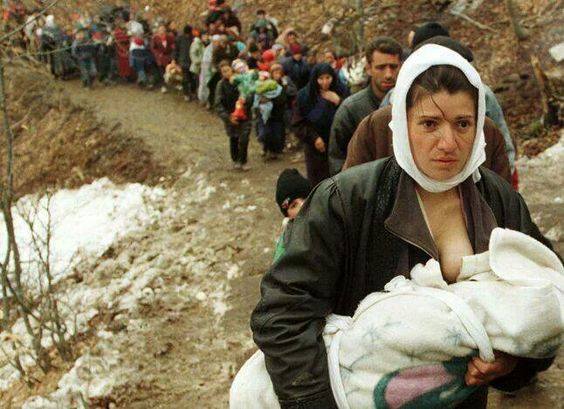
Maternal Fright
[fusion_builder_container hundred_percent=”no” hundred_percent_height=”no” hundred_percent_height_scroll=”no” hundred_percent_height_center_content=”yes” equal_height_columns=”no” menu_anchor=”” hide_on_mobile=”small-visibility,medium-visibility,large-visibility” status=”published” publish_date=”” class=”” id=”” border_size=”” border_color=”” border_style=”solid” margin_top=”” margin_bottom=”” padding_top=”” padding_right=”” padding_bottom=”” padding_left=”” gradient_start_color=”” gradient_end_color=”” gradient_start_position=”0″ gradient_end_position=”100″ gradient_type=”linear” radial_direction=”center” linear_angle=”180″ background_color=”” background_image=”” background_position=”center center” background_repeat=”no-repeat” fade=”no” background_parallax=”none” enable_mobile=”no” parallax_speed=”0.3″ background_blend_mode=”none” video_mp4=”” video_webm=”” video_ogv=”” video_url=”” video_aspect_ratio=”16:9″ video_loop=”yes” video_mute=”yes” video_preview_image=”” filter_hue=”0″ filter_saturation=”100″ filter_brightness=”100″ filter_contrast=”100″ filter_invert=”0″ filter_sepia=”0″ filter_opacity=”100″ filter_blur=”0″ filter_hue_hover=”0″ filter_saturation_hover=”100″ filter_brightness_hover=”100″ filter_contrast_hover=”100″ filter_invert_hover=”0″ filter_sepia_hover=”0″ filter_opacity_hover=”100″ filter_blur_hover=”0″][fusion_builder_row][fusion_builder_column type=”1_1″ layout=”2_3″ spacing=”” center_content=”no” link=”” target=”_self” min_height=”” hide_on_mobile=”small-visibility,medium-visibility,large-visibility” class=”” id=”” hover_type=”none” border_size=”0″ border_color=”” border_style=”solid” border_position=”all” border_radius=”” box_shadow=”no” dimension_box_shadow=”” box_shadow_blur=”0″ box_shadow_spread=”0″ box_shadow_color=”” box_shadow_style=”” padding_top=”” padding_right=”” padding_bottom=”” padding_left=”” margin_top=”” margin_bottom=”” background_type=”single” gradient_start_color=”” gradient_end_color=”” gradient_start_position=”0″ gradient_end_position=”100″ gradient_type=”linear” radial_direction=”center” linear_angle=”180″ background_color=”” background_image=”” background_image_id=”” background_position=”left top” background_repeat=”no-repeat” background_blend_mode=”none” animation_type=”” animation_direction=”left” animation_speed=”0.3″ animation_offset=”” filter_type=”regular” filter_hue=”0″ filter_saturation=”100″ filter_brightness=”100″ filter_contrast=”100″ filter_invert=”0″ filter_sepia=”0″ filter_opacity=”100″ filter_blur=”0″ filter_hue_hover=”0″ filter_saturation_hover=”100″ filter_brightness_hover=”100″ filter_contrast_hover=”100″ filter_invert_hover=”0″ filter_sepia_hover=”0″ filter_opacity_hover=”100″ filter_blur_hover=”0″ last=”no”][fusion_text columns=”” column_min_width=”” column_spacing=”” rule_style=”default” rule_size=”” rule_color=”” hide_on_mobile=”small-visibility,medium-visibility,large-visibility” class=”” id=”” animation_type=”” animation_direction=”left” animation_speed=”0.3″ animation_offset=””] Look at the faces of mothers- you will see Maternal Fright. Balkan War 1991-94 Maternal Fright and the epigenetics: how we live through the choices we make and daily life is influenced by the catastrophic violence women continue to face. My work with South Slavic women over a ten-year period investigated the devastating impacts of war on women contributed to what I term “maternal fright.” In my words, “The Slavic term ‘maternal fright’ is carved from chronic wars and violence towards women and is a form of transgenerational trauma.” One more piece of the puzzle of how life experiences shape individuals, and are passed from one generation to the next. A 2018 article – study is inclusive of female biology but still had a male divorced language of her uteri systems biology. Should we be ok that? Are we to settle for the ‘at least’ the male science model study is researching the placenta? When I review my field work and research (for the Kolo Self Trauma Care) the maternal fright is palatable and metabolized. Having returned from Afghanistan for the second time, I witnessed how Afghan woman are removed from society and face violence daily. However, this removal and appalling absence of scientific studies inclusive of her womb and her mothering language is observed as violence against women. The same is true on women’s daily life- it is the same track of violence. Women’s soma- living body- listens, adapts to what is found in daily life. When I review the Kolo Self Trauma Care fieldwork and research findings, the maternal fright is palatable and metabolized. This is where we realize how our genome and epigenetic properties are influenced. At a detailed level – the women’s soma metabolized via the communication systems in our bodies between mind and body (messenger molecule receptor dynamics CNS, ANDS, neuropeptide and immune system) are the psychosomatic network that is coordinated by and actually serve the adaptive relationships for stress and healing. In 2018, research finally attempts to study the placenta and how the bodywhich is the woman’s soma and prenatal development communicate and influence our genome. “In contrast to prior studies that focused on how genes related to behavioral disorders directly alter prenatal brain development, this novel research found that many genes associated with risk for schizophrenia appear to alter early brain development indirectly, by influencing the health of the placenta. The research showed that these genes are “turned on” in the placenta during complicated pregnancies and signal a placenta under duress. Maternal Fright was not known in the ancient past. Artifacts show evidence of reverence and full knowledge of her capacity to bleed without dying and to birth new life. This is not so in today’s world. Venus of La Poire 25000 BC Brassempouy France This is a reconstruction of the fairly fractured original. Discovered in 1892 it is carved from mammoth ivory.If you note the word ‘culture’ the true definition of culture is that woman’s soma- living body and her biological life giving process is the creator of culture. We can see how the word culture is hijacked into male dominate violence societies- it is not culture. What has occurred is culture is hijacked into patriarchal domain and purposes. The real judge and jury in the end is woman’s soma and the epigenetic and genetic alterations on the fetus, on the infant and the child. It is the place where we do not solve the catastrophic violence but evolve into peace and reverence for woman’s soma, her spirit, her soul and mind/body rich relationships. While the subject of myth and ritual in many cultures, the placenta remains a scientifically neglected human organ, despite its essential role for supplying nutrients and chemicals critical for normal prenatal development. Indeed, the placenta is the only organ removed from a human body that is not routinely sent to the laboratory for examination.” For instance, woman’s soma expresses her beauty in all of life but it is where we find the patriarchal attacks at the local level and daily life such as the ideal body Maternal fright is a sophisticated violence campaign that is thousands of years of old. But, the artifacts show that woman’s soma is thousands of generations old surpassing the some 5,000 years of patriarchal dominance that is killing all of life on the planet. Author: Dr. Danica Anderson [/fusion_text][/fusion_builder_column][/fusion_builder_row][/fusion_builder_container][fusion_builder_container hundred_percent=”no” hundred_percent_height=”no” hundred_percent_height_scroll=”no” hundred_percent_height_center_content=”yes” equal_height_columns=”no” menu_anchor=”” hide_on_mobile=”small-visibility,medium-visibility,large-visibility” status=”published” publish_date=”” class=”” id=”” border_size=”3″ border_color=”#af312f” border_style=”solid” margin_top=”30px” margin_bottom=”” padding_top=”” padding_right=”30px” padding_bottom=”50px” padding_left=”50px” gradient_start_color=”” gradient_end_color=”” gradient_start_position=”0″ gradient_end_position=”100″ gradient_type=”linear” radial_direction=”center” linear_angle=”180″ background_color=”rgba(43,43,43,0.21)” background_image=”” background_position=”center center” background_repeat=”no-repeat” fade=”no” background_parallax=”none” enable_mobile=”no” parallax_speed=”0.3″ background_blend_mode=”none” video_mp4=”” video_webm=”” video_ogv=”” video_url=”” video_aspect_ratio=”16:9″ video_loop=”yes” video_mute=”yes” video_preview_image=”” filter_hue=”0″ filter_saturation=”100″ filter_brightness=”100″ filter_contrast=”100″ filter_invert=”0″ filter_sepia=”0″ filter_opacity=”100″ filter_blur=”0″ filter_hue_hover=”0″ filter_saturation_hover=”100″ filter_brightness_hover=”100″ filter_contrast_hover=”100″ filter_invert_hover=”0″ filter_sepia_hover=”0″ filter_opacity_hover=”100″ filter_blur_hover=”0″][fusion_builder_row][fusion_builder_column type=”1_3″ layout=”1_3″ spacing=”” center_content=”no” link=”” target=”_self” min_height=”” hide_on_mobile=”small-visibility,medium-visibility,large-visibility” class=”” id=”” hover_type=”none” border_size=”0″ border_color=”” border_style=”solid” border_position=”all” border_radius=”” box_shadow=”no” dimension_box_shadow=”” box_shadow_blur=”0″ box_shadow_spread=”0″ box_shadow_color=”” box_shadow_style=”” padding_top=”” padding_right=”” padding_bottom=”” padding_left=”” margin_top=”” margin_bottom=”” background_type=”single” gradient_start_color=”” gradient_end_color=”” gradient_start_position=”0″ gradient_end_position=”100″ gradient_type=”linear” radial_direction=”center” linear_angle=”180″ background_color=”” background_image=”” background_image_id=”” background_position=”left top” background_repeat=”no-repeat” background_blend_mode=”none” animation_type=”” animation_direction=”left” animation_speed=”0.3″ animation_offset=”” filter_type=”regular” filter_hue=”0″ filter_saturation=”100″ filter_brightness=”100″ filter_contrast=”100″ filter_invert=”0″ filter_sepia=”0″ filter_opacity=”100″ filter_blur=”0″ filter_hue_hover=”0″ filter_saturation_hover=”100″ filter_brightness_hover=”100″ filter_contrast_hover=”100″ filter_invert_hover=”0″ filter_sepia_hover=”0″ filter_opacity_hover=”100″ filter_blur_hover=”0″ last=”no”][fusion_text columns=”” column_min_width=”” column_spacing=”” rule_style=”default” rule_size=”” rule_color=”” hide_on_mobile=”small-visibility,medium-visibility,large-visibility”
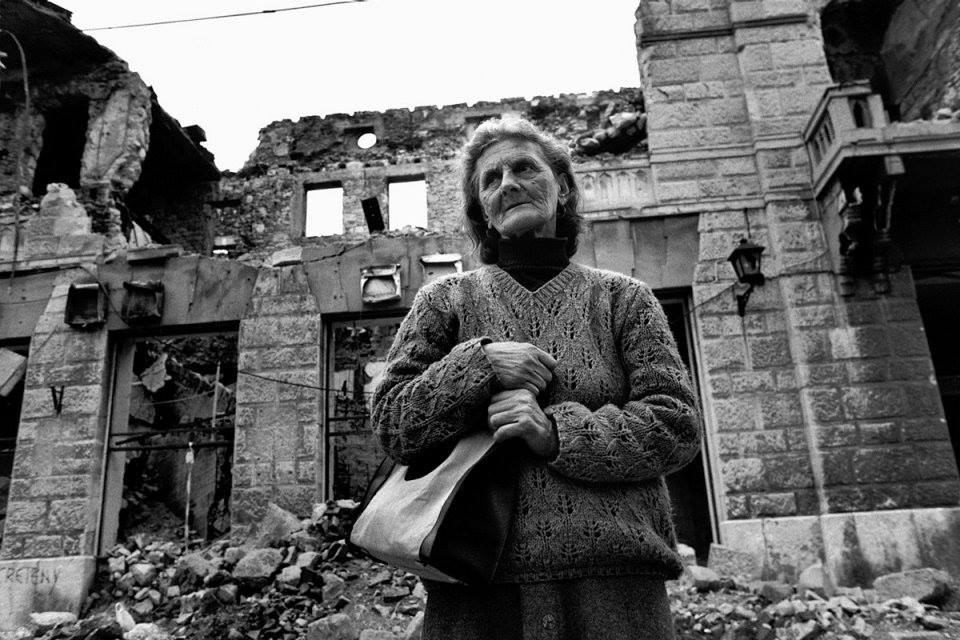
Maternal Fright and South Slavic Oral Memory Traditions: Biosemiotics, Epigenetics, and Somatic Psychobiology Healing Practices
[fusion_builder_container hundred_percent=”no” hundred_percent_height=”no” hundred_percent_height_scroll=”no” hundred_percent_height_center_content=”yes” equal_height_columns=”no” menu_anchor=”” hide_on_mobile=”small-visibility,medium-visibility,large-visibility” status=”published” publish_date=”” class=”” id=”” border_size=”” border_color=”” border_style=”solid” margin_top=”” margin_bottom=”” padding_top=”” padding_right=”” padding_bottom=”” padding_left=”” gradient_start_color=”” gradient_end_color=”” gradient_start_position=”0″ gradient_end_position=”100″ gradient_type=”linear” radial_direction=”center” linear_angle=”180″ background_color=”” background_image=”” background_position=”center center” background_repeat=”no-repeat” fade=”no” background_parallax=”none” enable_mobile=”no” parallax_speed=”0.3″ background_blend_mode=”none” video_mp4=”” video_webm=”” video_ogv=”” video_url=”” video_aspect_ratio=”16:9″ video_loop=”yes” video_mute=”yes” video_preview_image=”” filter_hue=”0″ filter_saturation=”100″ filter_brightness=”100″ filter_contrast=”100″ filter_invert=”0″ filter_sepia=”0″ filter_opacity=”100″ filter_blur=”0″ filter_hue_hover=”0″ filter_saturation_hover=”100″ filter_brightness_hover=”100″ filter_contrast_hover=”100″ filter_invert_hover=”0″ filter_sepia_hover=”0″ filter_opacity_hover=”100″ filter_blur_hover=”0″][fusion_builder_row][fusion_builder_column type=”1_3″ layout=”1_3″ spacing=”” center_content=”no” link=”” target=”_self” min_height=”” hide_on_mobile=”small-visibility,medium-visibility,large-visibility” class=”” id=”” hover_type=”none” border_size=”0″ border_color=”” border_style=”solid” border_position=”all” border_radius=”” box_shadow=”no” dimension_box_shadow=”” box_shadow_blur=”0″ box_shadow_spread=”0″ box_shadow_color=”” box_shadow_style=”” padding_top=”” padding_right=”” padding_bottom=”” padding_left=”” margin_top=”” margin_bottom=”” background_type=”single” gradient_start_color=”” gradient_end_color=”” gradient_start_position=”0″ gradient_end_position=”100″ gradient_type=”linear” radial_direction=”center” linear_angle=”180″ background_color=”” background_image=”” background_image_id=”” background_position=”left top” background_repeat=”no-repeat” background_blend_mode=”none” animation_type=”” animation_direction=”left” animation_speed=”0.3″ animation_offset=”” filter_type=”regular” filter_hue=”0″ filter_saturation=”100″ filter_brightness=”100″ filter_contrast=”100″ filter_invert=”0″ filter_sepia=”0″ filter_opacity=”100″ filter_blur=”0″ filter_hue_hover=”0″ filter_saturation_hover=”100″ filter_brightness_hover=”100″ filter_contrast_hover=”100″ filter_invert_hover=”0″ filter_sepia_hover=”0″ filter_opacity_hover=”100″ filter_blur_hover=”0″ last=”no”][fusion_imageframe image_id=”1443|full” max_width=”” style_type=”” blur=”” stylecolor=”” hover_type=”none” bordersize=”1″ bordercolor=”” borderradius=”” align=”none” lightbox=”no” gallery_id=”” lightbox_image=”” lightbox_image_id=”” alt=”” link=”https://birthpsychology.com/journal/article/maternal-fright-south-slavic-oral-memory-traditions-danica-anderson?fbclid=IwAR1bODuCgQwFdj3alMldgOS_jTVye-1LIi_dqbYRyMj4VjVpJiqKtRveJRw” linktarget=”_self” hide_on_mobile=”small-visibility,medium-visibility,large-visibility” class=”” id=”” animation_type=”” animation_direction=”left” animation_speed=”0.3″ animation_offset=””]https://mameheraz.nexifysoft.com/wp-content/uploads/2020/01/Journal-of-PreNatal-PeriNatal-Psychology-Health-image.jpg[/fusion_imageframe][/fusion_builder_column][fusion_builder_column type=”2_3″ layout=”2_3″ spacing=”” center_content=”no” link=”” target=”_self” min_height=”” hide_on_mobile=”small-visibility,medium-visibility,large-visibility” class=”” id=”” hover_type=”none” border_size=”0″ border_color=”” border_style=”solid” border_position=”all” border_radius=”” box_shadow=”no” dimension_box_shadow=”” box_shadow_blur=”0″ box_shadow_spread=”0″ box_shadow_color=”” box_shadow_style=”” padding_top=”” padding_right=”” padding_bottom=”” padding_left=”” margin_top=”” margin_bottom=”” background_type=”single” gradient_start_color=”” gradient_end_color=”” gradient_start_position=”0″ gradient_end_position=”100″ gradient_type=”linear” radial_direction=”center” linear_angle=”180″ background_color=”” background_image=”” background_image_id=”” background_position=”left top” background_repeat=”no-repeat” background_blend_mode=”none” animation_type=”” animation_direction=”left” animation_speed=”0.3″ animation_offset=”” filter_type=”regular” filter_hue=”0″ filter_saturation=”100″ filter_brightness=”100″ filter_contrast=”100″ filter_invert=”0″ filter_sepia=”0″ filter_opacity=”100″ filter_blur=”0″ filter_hue_hover=”0″ filter_saturation_hover=”100″ filter_brightness_hover=”100″ filter_contrast_hover=”100″ filter_invert_hover=”0″ filter_sepia_hover=”0″ filter_opacity_hover=”100″ filter_blur_hover=”0″ last=”no”][fusion_text columns=”” column_min_width=”” column_spacing=”” rule_style=”default” rule_size=”” rule_color=”” hide_on_mobile=”small-visibility,medium-visibility,large-visibility” class=”” id=”” animation_type=”” animation_direction=”left” animation_speed=”0.3″ animation_offset=””] Abstract: The Slavic term “maternal fright” is carved from chronic wars and violence towards women and is a form of transgenerational trauma. The forgotten conflict, the Balkan War of 1991-95 in the former Yugoslav region, resulted in South Slavic female survivors in the aftermath of war utilizing extensive cultural practices including oral memory traditions to ameliorate their experiences of trauma with greater focus on eradicating maternal fright. This review of interdisciplinary fields from biosemiotics, epigenetics, perinatal psychology, oral memory theories, and neuroscience is used to frame the survivors’ trauma as intensified learning and a space and place for healing. The tacit female knowledge embedded in South Slavic oral memory traditions connects to complex biologically aligned practices. For example, the body clock, or circadian rhythms, are regulated with oral memory practices to maintain and heal trauma. [/fusion_text][/fusion_builder_column][/fusion_builder_row][/fusion_builder_container][fusion_builder_container hundred_percent=”no” hundred_percent_height=”no” hundred_percent_height_scroll=”no” hundred_percent_height_center_content=”yes” equal_height_columns=”no” menu_anchor=”” hide_on_mobile=”small-visibility,medium-visibility,large-visibility” status=”published” publish_date=”” class=”” id=”” border_size=”” border_color=”” border_style=”solid” margin_top=”” margin_bottom=”” padding_top=”” padding_right=”” padding_bottom=”” padding_left=”” gradient_start_color=”” gradient_end_color=”” gradient_start_position=”0″ gradient_end_position=”100″ gradient_type=”linear” radial_direction=”center” linear_angle=”180″ background_color=”” background_image=”” background_position=”center center” background_repeat=”no-repeat” fade=”no” background_parallax=”none” enable_mobile=”no” parallax_speed=”0.3″ background_blend_mode=”none” video_mp4=”” video_webm=”” video_ogv=”” video_url=”” video_aspect_ratio=”16:9″ video_loop=”yes” video_mute=”yes” video_preview_image=”” filter_hue=”0″ filter_saturation=”100″ filter_brightness=”100″ filter_contrast=”100″ filter_invert=”0″ filter_sepia=”0″ filter_opacity=”100″ filter_blur=”0″ filter_hue_hover=”0″ filter_saturation_hover=”100″ filter_brightness_hover=”100″ filter_contrast_hover=”100″ filter_invert_hover=”0″ filter_sepia_hover=”0″ filter_opacity_hover=”100″ filter_blur_hover=”0″][fusion_builder_row][fusion_builder_column type=”1_1″ layout=”1_1″ spacing=”” center_content=”no” link=”” target=”_self” min_height=”” hide_on_mobile=”small-visibility,medium-visibility,large-visibility” class=”” id=”” hover_type=”none” border_size=”0″ border_color=”” border_style=”solid” border_position=”all” border_radius=”” box_shadow=”no” dimension_box_shadow=”” box_shadow_blur=”0″ box_shadow_spread=”0″ box_shadow_color=”” box_shadow_style=”” padding_top=”” padding_right=”” padding_bottom=”” padding_left=”” margin_top=”” margin_bottom=”” background_type=”single” gradient_start_color=”” gradient_end_color=”” gradient_start_position=”0″ gradient_end_position=”100″ gradient_type=”linear” radial_direction=”center” linear_angle=”180″ background_color=”” background_image=”” background_image_id=”” background_position=”left top” background_repeat=”no-repeat” background_blend_mode=”none” animation_type=”” animation_direction=”left” animation_speed=”0.3″ animation_offset=”” filter_type=”regular” filter_hue=”0″ filter_saturation=”100″ filter_brightness=”100″ filter_contrast=”100″ filter_invert=”0″ filter_sepia=”0″ filter_opacity=”100″ filter_blur=”0″ filter_hue_hover=”0″ filter_saturation_hover=”100″ filter_brightness_hover=”100″ filter_contrast_hover=”100″ filter_invert_hover=”0″ filter_sepia_hover=”0″ filter_opacity_hover=”100″ filter_blur_hover=”0″ last=”no”][fusion_text columns=”” column_min_width=”” column_spacing=”” rule_style=”default” rule_size=”” rule_color=”” hide_on_mobile=”small-visibility,medium-visibility,large-visibility” class=”” id=”” animation_type=”” animation_direction=”left” animation_speed=”0.3″ animation_offset=””] Keywords: maternal fright, oral memory traditions, healing practices [/fusion_text][fusion_text columns=”” column_min_width=”” column_spacing=”” rule_style=”default” rule_size=”” rule_color=”” hide_on_mobile=”small-visibility,medium-visibility,large-visibility” class=”” id=”” animation_type=”” animation_direction=”left” animation_speed=”0.3″ animation_offset=””] Published: Journal of Prenatal and Perinatal Psychology and Health 30(3), Spring 2016 [/fusion_text][fusion_text columns=”” column_min_width=”” column_spacing=”” rule_style=”default” rule_size=”” rule_color=”” hide_on_mobile=”small-visibility,medium-visibility,large-visibility” class=”” id=”” animation_type=”” animation_direction=”left” animation_speed=”0.3″ animation_offset=””] Download full Article: MaternalFright in PeriNatal Psych Journal [/fusion_text][/fusion_builder_column][/fusion_builder_row][/fusion_builder_container]
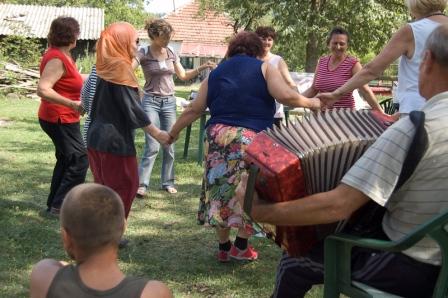
MESOLITHIC KOLO ROUND DANCE AND LABAN SYSTEM
MESOLITHIC KOLO ROUND DANCE AND LABAN SYSTEM Tracing the Phenomenology of South Slavic Landscape and Body Movements inter- related to Laban Notation System By Danica Anderson Abstract The origins of the kolo, a South Slavic round dance or to be in a circle (Hubbs, 1993) are Mesolithic intangible heritage. Surviving exploitation as touristic folk dances only in modern day, the ritual round dance organizes what the past peoples observed and lived that serve the needs and interests of our present lives. The Laban system descriptive and iconic graphing of movement, a way of preserving body movements, privileges both a visual repeating encounter with the symbolic notations and that of the body movements; the conflagration of iconic movements in the kolo is, also, organized into preservation of body movements. The kolo (2005) is essentially, an ethnochoreological lived circle or round dance and a living movement practiced continually throughout the ages in its visual and body movement presentation requiring preservation and research of its lived applications. South Slavic Kolo and Knust-Laban Notation A new philology burst forth in the 1990’s with the Knust-Laban’s notation (also known as Labanotation) that was integrated into the study of the South Slavic Kolo, round dance or to be in the circle. Researchers in body movement to ethnology demanded intensive scientific methods in preserving the physical movements/dance to cultural landscapes and it found that the Laban methodology lends a fuller descriptive survey and understanding of the South Slavic kolo─ round dances properties and practices. The milieu and activities of the kolo when interleaved with Laban allows multiple reinterpretations of the living kolo monuments from the Slavic ancestors. The Laban Notation as a tool for ethnological exploration of the kolo assisted researchers of the kolo to be culturally specific, inclusive of her/historical perspective fostering an interpretive modern scholarship. The serious pioneering attempts in Serbian Ethnochoreology by two Serbian (South Slavic-formerly Yugoslavs) sisters, Danica and Ljubica Jankovic, in the 1930’s, (Jankovic, 1934, 1952) to preserve intangible heritage, commenced to document the kolo for pattern, rhythm, and melody of the steps into graphs and diagrams. Ethnochoreology is the description of ethnicity, culture or long term memorialization practices –mnemonic activities- such as daily body movements capsulated and ever evolving into the kolo with multivalent symbolic choreography. The written page can transmit only so much of the South Slavic spiritual and embodied intangible heritage commemorative meanings of the kolo but for the Jankovic sisters the body and body movements in the kolo are the written pages. The kolo is a mega-library of ethnochoreographic body movements enlisting an oral heritage tradition in two steps: 1) A careful examination of the phenomenon to be able to re-create the past with current generation’s body movements and; 2) Life experiences that is included each time the kolo is danced and manifesting a sense of place and space (Bachelard 1964). Indigenously for the Serbian Jankovic sisters in the recording, recovery and restoration of kolo folk dance movements (Jankovic, 1934, 1952) with the Labanotation application, both expressed the same immediate understanding without words the body movements and resulting rhythm. The Slavic peoples with their oral heritage practices are memories suffused with human life but the kolos were considered primitive. The preservation of ancient oral traditions most likely resulted from the astounding fact that the Serbo-Croatian language did not have an alphabet until the late 1800’s (O ‘Beirne, 1921). The Jankovic sisters argued that oral traditions easily contained all past and current body and life experiences in its static or natural state in extraordinary iconic properties in the somatic or living kolo while libraries of information and science has not preserved into the present moment past her/historical and ethnological patterns. The Laban notation system lends itself to the preservation of the kolo’s iconic and symbolic properties. The South Slavic peoples with prodigious memory abilities, orally organized; the recall of intact memories is mnemonically recalled and recreated with the body movements in the kolo and with accuracy throughout thousands of generations. However, intangible heritage such as the South Slavic oral traditions practices needed a receptacle that had keys to the esoteric meanings of the kolo. Their art of storytelling and South Slavic storied instructions is done through descriptive movement inclusive of culturally specific to landscape and peoples (Van Dyke, Alcock, 2006) as opposed to comparisons, semantics or disembodied scientific analysis. In the 1930’s the Jankovic sisters utilized auxiliary signs, diagrams and graphs to chart the round dances-kolo (Jankovic, 1934, 1952). The eight book series in Serbo-Croatian with authors unknown called Nadrodne Igre have an immediate understanding of the intangible heritage and ethnochoreology practices explored in the kolo (Bajic, 2006). The literal translation of the title Nadrodne Igre is ‘people’s play.’ Kolos are akin to Dance/Movement Therapy and strongly aligned with Laban and Bartenieff avoidance of a “mechanistic approach to movement which they considered not only inefficient but also harmful for individual’s self-image.” (Knaster, 1996) Interestingly, the accompaniment to the kolo is the South Slavic ‘Women’s songs.’ The kolo, a South Slavic intangible heritage in commemorative approaches to include music and songs immediately relate as being the same science of observing and recording both body movements and that of the landscapes in the kolos. Observing reoccurring patterns in nature, in our bodies, life experiences ultimately for the South Slavs evolved into a movement epigraphy ”memory and locality conjoin in this instance and gather force in the return to a past lived landscape…” (Van Dyke, Alcock, 2006). However, what is exclusive to the Serbian round dances-kolos, are the diverse individual leg movements-steps which is distinctive in the intangible kolo heritage capturing each unique fingerprint of the dancers both past and present (Jankovic, 1934, 1952). Capturing the unique footprints mirroring our “no two alike” fingerprints is a significant ethnochoreological endeavor in line with Mother Nature’s sense of order. Within Laban analysis the focus is, also, toward the inner energy merged with the movement behaviors that specifically points to time as sudden or sustained and space as direct or indirect (Knaster, 1996). What
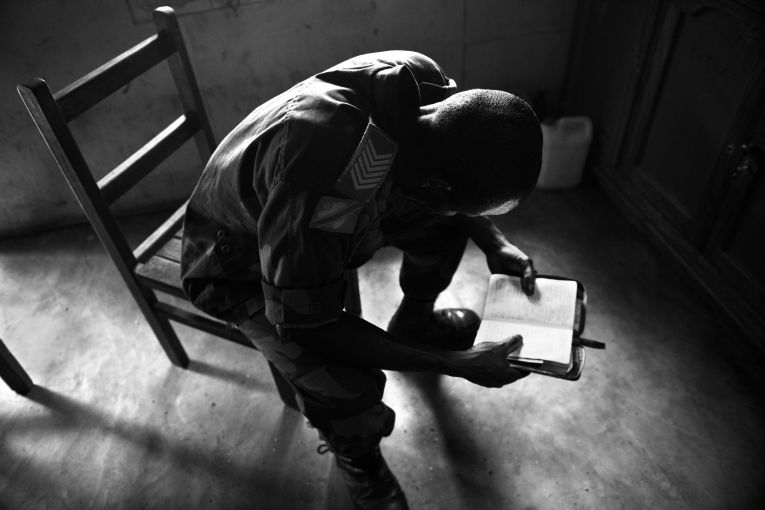
Why Soldiers Rape By Helen Benedict, In These Times
[fusion_builder_container hundred_percent=”no” equal_height_columns=”no” menu_anchor=”” hide_on_mobile=”small-visibility,medium-visibility,large-visibility” class=”” id=”” background_color=”” background_image=”” background_position=”center center” background_repeat=”no-repeat” fade=”no” background_parallax=”none” parallax_speed=”0.3″ video_mp4=”” video_webm=”” video_ogv=”” video_url=”” video_aspect_ratio=”16:9″ video_loop=”yes” video_mute=”yes” overlay_color=”” video_preview_image=”” border_size=”” border_color=”” border_style=”solid” padding_top=”” padding_bottom=”” padding_left=”” padding_right=””][fusion_builder_row][fusion_builder_column type=”1_1″ layout=”1_1″ background_position=”left top” background_color=”” border_size=”” border_color=”” border_style=”solid” border_position=”all” spacing=”yes” background_image=”” background_repeat=”no-repeat” padding_top=”” padding_right=”” padding_bottom=”” padding_left=”” margin_top=”0px” margin_bottom=”0px” class=”” id=”” animation_type=”” animation_speed=”0.3″ animation_direction=”left” hide_on_mobile=”small-visibility,medium-visibility,large-visibility” center_content=”no” last=”no” min_height=”” hover_type=”none” link=””][fusion_text] Why Soldiers Rape By Helen Benedict, In These Times Printed September 13, 2008 Editor’s note: This article is adapted from “<http://www.helenbenedict.com/>The Lonely Soldier: The Private War of Women Serving in Iraq,” to be published by Beacon Press in April 2009. An alarming number of women soldiers are being sexually abused by their comrades-in-arms, both at war and at home. This fact has received a fair amount of attention lately from researchers and the press — and deservedly so. But the attention always focuses on the women: where they were when assaulted, their relations with the assailant, the effects on their mental health and careers, whether they are being adequately helped, and so on. That discussion, as valuable as it is, misses a fundamental point. To understand military sexual assault, let alone know how to stop it, we must focus on the perpetrators. We need to ask: Why do soldiers rape? Rape in civilian life is already unacceptably common. One in six women is raped or sexually assaulted in her lifetime, according to the National Institute of Justice, a number so high it should be considered an epidemic. In the military, however, the situation is even worse. Rape is almost twice as frequent as it is among civilians, especially in wartime. Soldiers are taught to regard one another as family, so military rape resembles incest. And most of the soldiers who rape are older and of higher rank than their victims, so are taking advantage of their authority to attack the very people they are supposed to protect. Department of Defense reports show that nearly 90 percent of rape victims in the Army are junior-ranking women, whose average age is 21, while most of the assailants are non-commissioned officers or junior men, whose average age is 28. This sexual violence persists in spite of strict laws against rape in the military and a concerted Pentagon effort in 2005 to reform procedures for reporting the crime. Unfortunately, neither the press nor the many teams of psychologists and sociologists who study veterans ever seem to ask why. The answer appears to lie in a confluence of military culture, the psychology of the assailants and the nature of war. Two seminal studies have examined military culture and its attitudes toward women: one by Duke University Law Professor Madeline Morris in 1996, which was presented in the paper “By Force of Arms: Rape, War, and Military Culture” and published in Duke Law Journal; and the other by University of California professor and folklorist Carol Burke in 2004 and explained in her book, Camp All-American, Hanoi Jane and the High-And-Tight: Gender, Folklore and Changing Military Culture (Beacon Press). Both authors found that military culture is more misogynistic than even many critics of the military would suspect. Sometimes this misogyny stems from competition and sometimes from resentment, but it lies at the root of why soldiers rape. One recent Iraq War veteran reflected this misogyny when he described his Marine Corp training for a collection of soldiers’ works called Warrior Writers, published by Iraq Veterans Against the War in 2008: The [Drill Instructor’s] nightly homiletic speeches, full of an unabashed hatred of women, were part of the second phase of boot camp: the process of rebuilding recruits into Marines. Morris and Burke both show that military language reveals this “unabashed hatred of women” all the time. Even with a force that is now 14 percent female, and with rules that prohibit drill instructors from using racial epithets and curses, those same instructors still routinely denigrate recruits by calling them “pussy,” “girl,” “bitch,” “lady” and “dyke.” The everyday speech of soldiers is still riddled with sexist insults. Soldiers still openly peruse pornography that humiliates women. (Pornography is officially banned in the military, but is easily available to soldiers through the mail and from civilian sources, and there is a significant correlation between pornography circulation and rape rates, according to Duke’s Morris. And military men still sing the misogynist rhymes that have been around for decades. For example, Burke’s book cites this Naval Academy chant: Who can take a chainsaw Cut the bitch in two Fuck the bottom half And give the upper half to you The message in all these insults is that women have no business trying to be soldiers. In 2007, Sgt. Sarah Scully of the Army’s 8th Military Police Brigade wrote to me in an e-mail from Kuwait, where she was serving: “In the Army, any sign that you are a woman means you are automatically ridiculed and treated as inferior.” Army Spc. Mickiela Montoya, who was in Iraq for 11 months from 2005-2006, put it another way: “There are only three things the guys let you be if you’re a girl in the military: a bitch, a ho or a dyke. One guy told me he thinks the military sends women over to give the guys eye candy to keep them sane. He told me in Vietnam they had prostitutes, but they don’t have those in Iraq, so they have women soldiers instead.” The view of women as sexual prey has always been present in military culture. Indeed, civilian women have been seen as sexual booty for conquering soldiers since the beginning of human history. So, it should come as no surprise that the sexual persecution of female soldiers has been going on in the armed forces for decades. A 2004 study of veterans from Vietnam and all wars since, conducted by psychotherapist Maureen Murdoch and published in the journal Military Medicine, found that 71 percent of the women said they were sexually assaulted or raped while serving. In 2003, a survey of
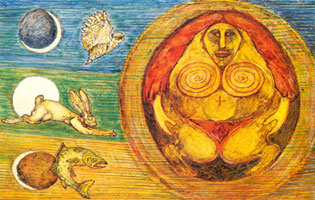
History of The Kolo: Women’s Cross-Cultural Collaboration
[fusion_builder_container hundred_percent=”no” hundred_percent_height=”no” hundred_percent_height_scroll=”no” hundred_percent_height_center_content=”yes” equal_height_columns=”no” menu_anchor=”” hide_on_mobile=”small-visibility,medium-visibility,large-visibility” status=”published” publish_date=”” class=”” id=”” border_size=”” border_color=”” border_style=”solid” margin_top=”” margin_bottom=”” padding_top=”” padding_right=”” padding_bottom=”” padding_left=”” gradient_start_color=”” gradient_end_color=”” gradient_start_position=”0″ gradient_end_position=”100″ gradient_type=”linear” radial_direction=”center” linear_angle=”180″ background_color=”” background_image=”” background_position=”center center” background_repeat=”no-repeat” fade=”no” background_parallax=”none” enable_mobile=”no” parallax_speed=”0.3″ background_blend_mode=”none” video_mp4=”” video_webm=”” video_ogv=”” video_url=”” video_aspect_ratio=”16:9″ video_loop=”yes” video_mute=”yes” video_preview_image=”” filter_hue=”0″ filter_saturation=”100″ filter_brightness=”100″ filter_contrast=”100″ filter_invert=”0″ filter_sepia=”0″ filter_opacity=”100″ filter_blur=”0″ filter_hue_hover=”0″ filter_saturation_hover=”100″ filter_brightness_hover=”100″ filter_contrast_hover=”100″ filter_invert_hover=”0″ filter_sepia_hover=”0″ filter_opacity_hover=”100″ filter_blur_hover=”0″][fusion_builder_row][fusion_builder_column type=”1_1″ layout=”1_1″ spacing=”” center_content=”no” link=”” target=”_self” min_height=”” hide_on_mobile=”small-visibility,medium-visibility,large-visibility” class=”” id=”” hover_type=”none” border_size=”0″ border_color=”” border_style=”solid” border_position=”all” border_radius=”” box_shadow=”no” dimension_box_shadow=”” box_shadow_blur=”0″ box_shadow_spread=”0″ box_shadow_color=”” box_shadow_style=”” padding_top=”” padding_right=”” padding_bottom=”” padding_left=”” margin_top=”” margin_bottom=”” background_type=”single” gradient_start_color=”” gradient_end_color=”” gradient_start_position=”0″ gradient_end_position=”100″ gradient_type=”linear” radial_direction=”center” linear_angle=”180″ background_color=”” background_image=”” background_image_id=”” background_position=”left top” background_repeat=”no-repeat” background_blend_mode=”none” animation_type=”” animation_direction=”left” animation_speed=”0.3″ animation_offset=”” filter_type=”regular” filter_hue=”0″ filter_saturation=”100″ filter_brightness=”100″ filter_contrast=”100″ filter_invert=”0″ filter_sepia=”0″ filter_opacity=”100″ filter_blur=”0″ filter_hue_hover=”0″ filter_saturation_hover=”100″ filter_brightness_hover=”100″ filter_contrast_hover=”100″ filter_invert_hover=”0″ filter_sepia_hover=”0″ filter_opacity_hover=”100″ filter_blur_hover=”0″ last=”no”][fusion_text columns=”” column_min_width=”” column_spacing=”” rule_style=”default” rule_size=”” rule_color=”” hide_on_mobile=”small-visibility,medium-visibility,large-visibility” class=”” id=”” animation_type=”” animation_direction=”left” animation_speed=”0.3″ animation_offset=””] Our story begins in Bosnia, site of recent and past genocides with brutal wars that have displaced and traumatized its people in unspeakable ways. The title is a reflection of this region and its many horrors since the word Balkan translates into ‘blood and honey’. All over the world, women, men and children have suffered immeasurably from horrific acts of violence in countries such as Kenya, the Congo, Rwanda, India, Sri Lanka, the Sudan and Uganda. Not only does the violence traumatize those who face it, the trauma remains with its victims wherever they travel and is passed down generation after generation. The reality is, nothing has been effective in facing this grossly fecund intergenerational trauma—or finding a way to heal the wounds it causes. Women and children, especially young girls, bear the brunt of much of the violence perpetuated throughout the world. According to author Theodor Winkler, violence against women is the fourth-leading cause of premature death on the planet, ranking behind only disease, hunger and war. “We are confronted with the slaughter of Eve, a systematic gendercide of tragic proportion,” wrote Winkler in his book, Women In An Insecure World. Unfortunately, many in the international community don’t even consider rape a war crime. Many media stories have explored violence but often portray women and children only in their victim roles, turning them into poster models for humanitarian aid agencies and allies. Yet, despite such media exposure and new rules of law concerning rape as war crimes, the ripple effect of trauma continues, scarring entire communities around the globe. Our work is informed by the kolo, an ancient round dance and circle tradition tracing beyond Paleolithic origins. The kolo has been known to South Slavs for generations since it shares the amenities of organized social life based on collaboration and peace before war became a modern reality. The kolo tradition integrates traumatized women’s lives through their first person stories. This healing process has been especially beneficial to the people of Bosnia who have experienced three wars in the past 100 years. Through the kolo, this “witnessing” enables people to escape the human bondage to intergenerational trauma and the war environment. The integral part of the kolo, whether dancing the round folk dances or being in a circle, is the concentrated collective ability to bear witness and share one’s story. According to forensic psychotherapist Danica Anderson, PhD and founder of the nonprofit The Kolo: Cross Cultural Collaboration, this circle remains within Bosnians’ consciousness as if it were the only thing from their past that could not be erased. To tell our story we explore how Bosnian Muslim women war survivors and Anderson, an American/Serbian woman raised in a family of violence, continually return to the kolo experience to heal their brutal intergenerational emotional wounds of trauma. As she worked with these women, two important aspects were made evident to Danica. First, the way in which the women grew to understand that in healing their own trauma, they heal all others. The second aspect was their refusal to hover between realms of war and violence. They chose instead to bring an archaic cultural symbolism into the aftermath of war so that the literacy of abundance and peace prevails. Through their stories, they are able to author a nonviolent sequel to their lives—and the lives of their children. The programmatic Kolo Trauma Treatment and Training Format is across the globe as a result. From Africa (Chad, Democratic Republic of the Congo (DRC), Sudan and Uganda), India and Sri Lanka, to the Haiti 2010 earthquake, the Kolo: WCCC has applied the somatic based trauma therapies, one of the earliest forms of sensorimotor psychotherapy and neuropsychological psychology practices. There is no money, no publicity for this work to help the women heal. In Bosnia, the women are empowered by a safe and ancient archeomythology of Old Europe, a symbolic process that does not offend or provoke the ire of patriarchal religions or governing entities. The process ultimately leads to the painful but necessary bearing witness—communal applications of wisdom, resiliency and thriving life skills. And by bearing witness among those with whom they share the circle, the women remember that they are empowered to heal their families and communities. Through the kolo’s universal communal features, Danica has experienced and worked the kolo with women in Africa, Sri Lanka and Kerala, India. The Kolo Trauma Treatment Format revokes any outside authority by empowering the participants, the women, to re-remember they manifest culture and are the healers of their global communities—societies where women and children are not invisible or erased. [/fusion_text][/fusion_builder_column][/fusion_builder_row][/fusion_builder_container]