
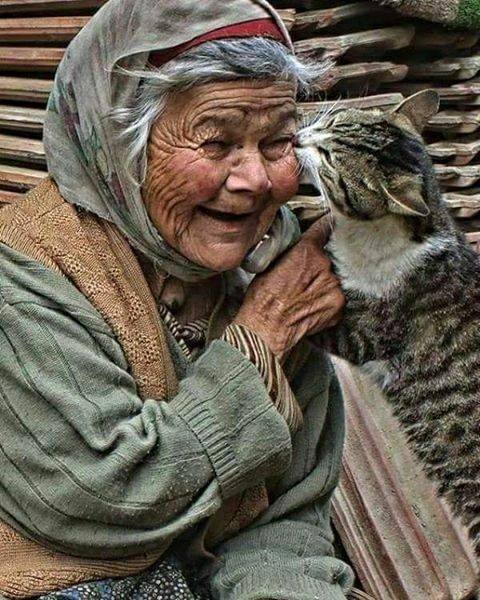
[fusion_builder_container hundred_percent=”no” hundred_percent_height=”no” hundred_percent_height_scroll=”no” hundred_percent_height_center_content=”yes” equal_height_columns=”no” menu_anchor=”” hide_on_mobile=”small-visibility,medium-visibility,large-visibility” status=”published” publish_date=”” class=”” id=”” border_size=”” border_color=”” border_style=”solid” margin_top=”” margin_bottom=”” padding_top=”” padding_right=”” padding_bottom=”” padding_left=”” gradient_start_color=”” gradient_end_color=”” gradient_start_position=”0″ gradient_end_position=”100″ gradient_type=”linear” radial_direction=”center” linear_angle=”180″ background_color=”” background_image=”” background_position=”center center” background_repeat=”no-repeat” fade=”no” background_parallax=”none” enable_mobile=”no” parallax_speed=”0.3″ background_blend_mode=”none” video_mp4=”” video_webm=”” video_ogv=”” video_url=”” video_aspect_ratio=”16:9″ video_loop=”yes” video_mute=”yes” video_preview_image=”” filter_hue=”0″ filter_saturation=”100″ filter_brightness=”100″ filter_contrast=”100″ filter_invert=”0″ filter_sepia=”0″ filter_opacity=”100″ filter_blur=”0″ filter_hue_hover=”0″ filter_saturation_hover=”100″ filter_brightness_hover=”100″ filter_contrast_hover=”100″ filter_invert_hover=”0″ filter_sepia_hover=”0″ filter_opacity_hover=”100″ filter_blur_hover=”0″][fusion_builder_row][fusion_builder_column type=”1_1″ layout=”2_3″ spacing=”” center_content=”no” link=”” target=”_self” min_height=”” hide_on_mobile=”small-visibility,medium-visibility,large-visibility” class=”” id=”” hover_type=”none” border_size=”0″ border_color=”” border_style=”solid” border_position=”all” border_radius=”” box_shadow=”no” dimension_box_shadow=”” box_shadow_blur=”0″ box_shadow_spread=”0″ box_shadow_color=”” box_shadow_style=”” padding_top=”” padding_right=”” padding_bottom=”” padding_left=”” margin_top=”” margin_bottom=”” background_type=”single” gradient_start_color=”” gradient_end_color=”” gradient_start_position=”0″ gradient_end_position=”100″ gradient_type=”linear” radial_direction=”center” linear_angle=”180″ background_color=”” background_image=”” background_image_id=”” background_position=”left top” background_repeat=”no-repeat” background_blend_mode=”none” animation_type=”” animation_direction=”left” animation_speed=”0.3″ animation_offset=”” filter_type=”regular” filter_hue=”0″ filter_saturation=”100″ filter_brightness=”100″ filter_contrast=”100″ filter_invert=”0″ filter_sepia=”0″ filter_opacity=”100″ filter_blur=”0″ filter_hue_hover=”0″ filter_saturation_hover=”100″ filter_brightness_hover=”100″ filter_contrast_hover=”100″ filter_invert_hover=”0″ filter_sepia_hover=”0″ filter_opacity_hover=”100″ filter_blur_hover=”0″ last=”no”][fusion_text columns=”” column_min_width=”” column_spacing=”” rule_style=”default” rule_size=”” rule_color=”” hide_on_mobile=”small-visibility,medium-visibility,large-visibility” class=”” id=”” animation_type=”” animation_direction=”left” animation_speed=”0.3″ animation_offset=””][/fusion_text][fusion_text columns=”” column_min_width=”” column_spacing=”” rule_style=”default” rule_size=”” rule_color=”” hide_on_mobile=”small-visibility,medium-visibility,large-visibility” class=”” id=”” animation_type=”” animation_direction=”left” animation_speed=”0.3″ animation_offset=””] In my books and journal publications I write and offer evidence based research indicating how women, especially, as caretakers are the culture creators and healers thus healing trauma in themselves, their families and communities. When I bore witness to the survivors of impossible trauma and violence I could not ignore the insights generated about these cultural traumas. When you look at media with houses, villages and now whole cities blown to bits, you understand why cultural trauma is a real threat to those in power utilizing violence; it is to erase women’s wombs, homes and land. Cultural trauma are the oral memory traditions, a ritual science that is not routinization into war and violence. It is nonkilling. The erasure of culture and the oral memory traditions is the eradication of women and their capacity to create culture that heals all wounds. My treatment of psychological trauma (Kolo Self Informed Trauma Care) understood the relevance of authoring your life story- memory embedded in culture and oral memory traditions. The grandest insight was about the authoring of your memory growing into resilience in later life. We are talking about regulation of memory long after the trauma event. The high profile case of Dr. Ford coming forward about the attempted rape shows the accuracy of her memory and her resilience in later life. The ME, TOO campaign is another set of resilience that allows authoring of life stories buried under the debris of violence. However, the ME, TOO campaign is also under attack where businesses are in full throttle of “ Fears of a backlash that would reverse all progress have quickly spread”. The violence against women in our world today ensures her reality, her memories are dismissed even in the rule of law. A recent study is supporting my Kolo Self Informed Trauma Care findings of memory through cultural practices such as oral memory traditions/sciences. The transgenerational-epigenetic process of daily life lived in harmony allows for survivors to reauthor their lives and create peaceful communities. However, my objection is the male think that survivors need to gain skills in therapy session to do so. Why? Because with women as creators of culture and their corresponding oral memory traditions-sciences is the healing practice that overcomes violence, wars and hatreds. Culture and oral memory sciences are neurobiological aligned. Research continues to show the old wives tales and the legends to have embedded tacit knowledge. Tacit knowledge is an indispensable claim to reality and the drive towards discovery is most significant. The ME, TOO campaign and women’s early life traumas are hand in hand towards creating a female social justice and resilience unknown for millennium due to the past 5,000 years of patriarchal violence against her. [/fusion_text][/fusion_builder_column][/fusion_builder_row][/fusion_builder_container][fusion_builder_container hundred_percent=”no” hundred_percent_height=”no” hundred_percent_height_scroll=”no” hundred_percent_height_center_content=”yes” equal_height_columns=”no” menu_anchor=”” hide_on_mobile=”small-visibility,medium-visibility,large-visibility” status=”published” publish_date=”” class=”” id=”” border_size=”” border_color=”” border_style=”solid” margin_top=”” margin_bottom=”” padding_top=”” padding_right=”” padding_bottom=”” padding_left=”” gradient_start_color=”” gradient_end_color=”” gradient_start_position=”0″ gradient_end_position=”100″ gradient_type=”linear” radial_direction=”center” linear_angle=”180″ background_color=”” background_image=”” background_position=”center center” background_repeat=”no-repeat” fade=”no” background_parallax=”none” enable_mobile=”no” parallax_speed=”0.3″ background_blend_mode=”none” video_mp4=”” video_webm=”” video_ogv=”” video_url=”” video_aspect_ratio=”16:9″ video_loop=”yes” video_mute=”yes” video_preview_image=”” filter_hue=”0″ filter_saturation=”100″ filter_brightness=”100″ filter_contrast=”100″ filter_invert=”0″ filter_sepia=”0″ filter_opacity=”100″ filter_blur=”0″ filter_hue_hover=”0″ filter_saturation_hover=”100″ filter_brightness_hover=”100″ filter_contrast_hover=”100″ filter_invert_hover=”0″ filter_sepia_hover=”0″ filter_opacity_hover=”100″ filter_blur_hover=”0″][fusion_builder_row][fusion_builder_column type=”1_1″ layout=”1_1″ spacing=”” center_content=”no” link=”” target=”_self” min_height=”” hide_on_mobile=”small-visibility,medium-visibility,large-visibility” class=”” id=”” hover_type=”none” border_size=”0″ border_color=”” border_style=”solid” border_position=”all” border_radius=”” box_shadow=”no” dimension_box_shadow=”” box_shadow_blur=”0″ box_shadow_spread=”0″ box_shadow_color=”” box_shadow_style=”” padding_top=”” padding_right=”” padding_bottom=”” padding_left=”” margin_top=”” margin_bottom=”” background_type=”single” gradient_start_color=”” gradient_end_color=”” gradient_start_position=”0″ gradient_end_position=”100″ gradient_type=”linear” radial_direction=”center” linear_angle=”180″ background_color=”” background_image=”” background_image_id=”” background_position=”left top” background_repeat=”no-repeat” background_blend_mode=”none” animation_type=”” animation_direction=”left” animation_speed=”0.3″ animation_offset=”” filter_type=”regular” filter_hue=”0″ filter_saturation=”100″ filter_brightness=”100″ filter_contrast=”100″ filter_invert=”0″ filter_sepia=”0″ filter_opacity=”100″ filter_blur=”0″ filter_hue_hover=”0″ filter_saturation_hover=”100″ filter_brightness_hover=”100″ filter_contrast_hover=”100″ filter_invert_hover=”0″ filter_sepia_hover=”0″ filter_opacity_hover=”100″ filter_blur_hover=”0″ last=”no”][fusion_text columns=”” column_min_width=”” column_spacing=”” rule_style=”default” rule_size=”” rule_color=”” hide_on_mobile=”small-visibility,medium-visibility,large-visibility” class=”” id=”” animation_type=”” animation_direction=”left” animation_speed=”0.3″ animation_offset=””] Here is the study’s abstract: Journal of Experimental Psychology General. 2018 Dec; 147(12): 1931–1949. Published online 2018 Jul 19 What doesn’t kill you makes you stronger: Psychological trauma and its relationship to enhanced memory control. Nelson Cowan, Editor Justin C. Hulbert1,* and Michael C. Anderson2 Like other cognitive skills that benefit from practice, we hypothesized that memory control is similarly experience dependent, such that individuals with greater real-life experience at stopping retrieval would exhibit better inhibitory control over unwanted memories. Across two experiments, we found that college students reporting a greater history of trauma exhibited more suppression-induced forgetting of both negative and neutral memories than did those in a matched group who had reported experiencing little to no trauma. The association was especially evident on a test of suppression-induced forgetting involving independent retrieval cues that are designed to better isolate the effects of inhibitory control on memory. Participants reporting more trauma demonstrated greater generalized forgetting of suppressed material. These findings raise the possibility that, given proper training, individuals can learn to better manage intrusive experiences, and are broadly consistent with the view that moderate adversity can foster resilience later in life. [/fusion_text][/fusion_builder_column][/fusion_builder_row][/fusion_builder_container][fusion_builder_container hundred_percent=”no” hundred_percent_height=”no” hundred_percent_height_scroll=”no” hundred_percent_height_center_content=”yes” equal_height_columns=”no” menu_anchor=”” hide_on_mobile=”small-visibility,medium-visibility,large-visibility” status=”published” publish_date=”” class=”” id=”” border_size=”” border_color=”” border_style=”solid” margin_top=”” margin_bottom=”” padding_top=”” padding_right=”” padding_bottom=”” padding_left=”” gradient_start_color=”” gradient_end_color=”” gradient_start_position=”0″ gradient_end_position=”100″ gradient_type=”linear” radial_direction=”center” linear_angle=”180″ background_color=”” background_image=”” background_position=”center center” background_repeat=”no-repeat” fade=”no” background_parallax=”none” enable_mobile=”no” parallax_speed=”0.3″ background_blend_mode=”none” video_mp4=”” video_webm=”” video_ogv=”” video_url=”” video_aspect_ratio=”16:9″ video_loop=”yes” video_mute=”yes” video_preview_image=”” filter_hue=”0″ filter_saturation=”100″ filter_brightness=”100″ filter_contrast=”100″ filter_invert=”0″ filter_sepia=”0″ filter_opacity=”100″ filter_blur=”0″ filter_hue_hover=”0″ filter_saturation_hover=”100″ filter_brightness_hover=”100″ filter_contrast_hover=”100″ filter_invert_hover=”0″ filter_sepia_hover=”0″ filter_opacity_hover=”100″ filter_blur_hover=”0″][fusion_builder_row][fusion_builder_column type=”1_1″ spacing=””
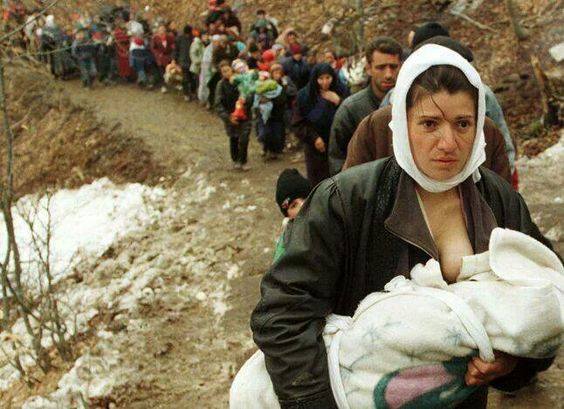
Maternal Fright
[fusion_builder_container hundred_percent=”no” hundred_percent_height=”no” hundred_percent_height_scroll=”no” hundred_percent_height_center_content=”yes” equal_height_columns=”no” menu_anchor=”” hide_on_mobile=”small-visibility,medium-visibility,large-visibility” status=”published” publish_date=”” class=”” id=”” border_size=”” border_color=”” border_style=”solid” margin_top=”” margin_bottom=”” padding_top=”” padding_right=”” padding_bottom=”” padding_left=”” gradient_start_color=”” gradient_end_color=”” gradient_start_position=”0″ gradient_end_position=”100″ gradient_type=”linear” radial_direction=”center” linear_angle=”180″ background_color=”” background_image=”” background_position=”center center” background_repeat=”no-repeat” fade=”no” background_parallax=”none” enable_mobile=”no” parallax_speed=”0.3″ background_blend_mode=”none” video_mp4=”” video_webm=”” video_ogv=”” video_url=”” video_aspect_ratio=”16:9″ video_loop=”yes” video_mute=”yes” video_preview_image=”” filter_hue=”0″ filter_saturation=”100″ filter_brightness=”100″ filter_contrast=”100″ filter_invert=”0″ filter_sepia=”0″ filter_opacity=”100″ filter_blur=”0″ filter_hue_hover=”0″ filter_saturation_hover=”100″ filter_brightness_hover=”100″ filter_contrast_hover=”100″ filter_invert_hover=”0″ filter_sepia_hover=”0″ filter_opacity_hover=”100″ filter_blur_hover=”0″][fusion_builder_row][fusion_builder_column type=”1_1″ layout=”2_3″ spacing=”” center_content=”no” link=”” target=”_self” min_height=”” hide_on_mobile=”small-visibility,medium-visibility,large-visibility” class=”” id=”” hover_type=”none” border_size=”0″ border_color=”” border_style=”solid” border_position=”all” border_radius=”” box_shadow=”no” dimension_box_shadow=”” box_shadow_blur=”0″ box_shadow_spread=”0″ box_shadow_color=”” box_shadow_style=”” padding_top=”” padding_right=”” padding_bottom=”” padding_left=”” margin_top=”” margin_bottom=”” background_type=”single” gradient_start_color=”” gradient_end_color=”” gradient_start_position=”0″ gradient_end_position=”100″ gradient_type=”linear” radial_direction=”center” linear_angle=”180″ background_color=”” background_image=”” background_image_id=”” background_position=”left top” background_repeat=”no-repeat” background_blend_mode=”none” animation_type=”” animation_direction=”left” animation_speed=”0.3″ animation_offset=”” filter_type=”regular” filter_hue=”0″ filter_saturation=”100″ filter_brightness=”100″ filter_contrast=”100″ filter_invert=”0″ filter_sepia=”0″ filter_opacity=”100″ filter_blur=”0″ filter_hue_hover=”0″ filter_saturation_hover=”100″ filter_brightness_hover=”100″ filter_contrast_hover=”100″ filter_invert_hover=”0″ filter_sepia_hover=”0″ filter_opacity_hover=”100″ filter_blur_hover=”0″ last=”no”][fusion_text columns=”” column_min_width=”” column_spacing=”” rule_style=”default” rule_size=”” rule_color=”” hide_on_mobile=”small-visibility,medium-visibility,large-visibility” class=”” id=”” animation_type=”” animation_direction=”left” animation_speed=”0.3″ animation_offset=””] Look at the faces of mothers- you will see Maternal Fright. Balkan War 1991-94 Maternal Fright and the epigenetics: how we live through the choices we make and daily life is influenced by the catastrophic violence women continue to face. My work with South Slavic women over a ten-year period investigated the devastating impacts of war on women contributed to what I term “maternal fright.” In my words, “The Slavic term ‘maternal fright’ is carved from chronic wars and violence towards women and is a form of transgenerational trauma.” One more piece of the puzzle of how life experiences shape individuals, and are passed from one generation to the next. A 2018 article – study is inclusive of female biology but still had a male divorced language of her uteri systems biology. Should we be ok that? Are we to settle for the ‘at least’ the male science model study is researching the placenta? When I review my field work and research (for the Kolo Self Trauma Care) the maternal fright is palatable and metabolized. Having returned from Afghanistan for the second time, I witnessed how Afghan woman are removed from society and face violence daily. However, this removal and appalling absence of scientific studies inclusive of her womb and her mothering language is observed as violence against women. The same is true on women’s daily life- it is the same track of violence. Women’s soma- living body- listens, adapts to what is found in daily life. When I review the Kolo Self Trauma Care fieldwork and research findings, the maternal fright is palatable and metabolized. This is where we realize how our genome and epigenetic properties are influenced. At a detailed level – the women’s soma metabolized via the communication systems in our bodies between mind and body (messenger molecule receptor dynamics CNS, ANDS, neuropeptide and immune system) are the psychosomatic network that is coordinated by and actually serve the adaptive relationships for stress and healing. In 2018, research finally attempts to study the placenta and how the bodywhich is the woman’s soma and prenatal development communicate and influence our genome. “In contrast to prior studies that focused on how genes related to behavioral disorders directly alter prenatal brain development, this novel research found that many genes associated with risk for schizophrenia appear to alter early brain development indirectly, by influencing the health of the placenta. The research showed that these genes are “turned on” in the placenta during complicated pregnancies and signal a placenta under duress. Maternal Fright was not known in the ancient past. Artifacts show evidence of reverence and full knowledge of her capacity to bleed without dying and to birth new life. This is not so in today’s world. Venus of La Poire 25000 BC Brassempouy France This is a reconstruction of the fairly fractured original. Discovered in 1892 it is carved from mammoth ivory.If you note the word ‘culture’ the true definition of culture is that woman’s soma- living body and her biological life giving process is the creator of culture. We can see how the word culture is hijacked into male dominate violence societies- it is not culture. What has occurred is culture is hijacked into patriarchal domain and purposes. The real judge and jury in the end is woman’s soma and the epigenetic and genetic alterations on the fetus, on the infant and the child. It is the place where we do not solve the catastrophic violence but evolve into peace and reverence for woman’s soma, her spirit, her soul and mind/body rich relationships. While the subject of myth and ritual in many cultures, the placenta remains a scientifically neglected human organ, despite its essential role for supplying nutrients and chemicals critical for normal prenatal development. Indeed, the placenta is the only organ removed from a human body that is not routinely sent to the laboratory for examination.” For instance, woman’s soma expresses her beauty in all of life but it is where we find the patriarchal attacks at the local level and daily life such as the ideal body Maternal fright is a sophisticated violence campaign that is thousands of years of old. But, the artifacts show that woman’s soma is thousands of generations old surpassing the some 5,000 years of patriarchal dominance that is killing all of life on the planet. Author: Dr. Danica Anderson [/fusion_text][/fusion_builder_column][/fusion_builder_row][/fusion_builder_container][fusion_builder_container hundred_percent=”no” hundred_percent_height=”no” hundred_percent_height_scroll=”no” hundred_percent_height_center_content=”yes” equal_height_columns=”no” menu_anchor=”” hide_on_mobile=”small-visibility,medium-visibility,large-visibility” status=”published” publish_date=”” class=”” id=”” border_size=”3″ border_color=”#af312f” border_style=”solid” margin_top=”30px” margin_bottom=”” padding_top=”” padding_right=”30px” padding_bottom=”50px” padding_left=”50px” gradient_start_color=”” gradient_end_color=”” gradient_start_position=”0″ gradient_end_position=”100″ gradient_type=”linear” radial_direction=”center” linear_angle=”180″ background_color=”rgba(43,43,43,0.21)” background_image=”” background_position=”center center” background_repeat=”no-repeat” fade=”no” background_parallax=”none” enable_mobile=”no” parallax_speed=”0.3″ background_blend_mode=”none” video_mp4=”” video_webm=”” video_ogv=”” video_url=”” video_aspect_ratio=”16:9″ video_loop=”yes” video_mute=”yes” video_preview_image=”” filter_hue=”0″ filter_saturation=”100″ filter_brightness=”100″ filter_contrast=”100″ filter_invert=”0″ filter_sepia=”0″ filter_opacity=”100″ filter_blur=”0″ filter_hue_hover=”0″ filter_saturation_hover=”100″ filter_brightness_hover=”100″ filter_contrast_hover=”100″ filter_invert_hover=”0″ filter_sepia_hover=”0″ filter_opacity_hover=”100″ filter_blur_hover=”0″][fusion_builder_row][fusion_builder_column type=”1_3″ layout=”1_3″ spacing=”” center_content=”no” link=”” target=”_self” min_height=”” hide_on_mobile=”small-visibility,medium-visibility,large-visibility” class=”” id=”” hover_type=”none” border_size=”0″ border_color=”” border_style=”solid” border_position=”all” border_radius=”” box_shadow=”no” dimension_box_shadow=”” box_shadow_blur=”0″ box_shadow_spread=”0″ box_shadow_color=”” box_shadow_style=”” padding_top=”” padding_right=”” padding_bottom=”” padding_left=”” margin_top=”” margin_bottom=”” background_type=”single” gradient_start_color=”” gradient_end_color=”” gradient_start_position=”0″ gradient_end_position=”100″ gradient_type=”linear” radial_direction=”center” linear_angle=”180″ background_color=”” background_image=”” background_image_id=”” background_position=”left top” background_repeat=”no-repeat” background_blend_mode=”none” animation_type=”” animation_direction=”left” animation_speed=”0.3″ animation_offset=”” filter_type=”regular” filter_hue=”0″ filter_saturation=”100″ filter_brightness=”100″ filter_contrast=”100″ filter_invert=”0″ filter_sepia=”0″ filter_opacity=”100″ filter_blur=”0″ filter_hue_hover=”0″ filter_saturation_hover=”100″ filter_brightness_hover=”100″ filter_contrast_hover=”100″ filter_invert_hover=”0″ filter_sepia_hover=”0″ filter_opacity_hover=”100″ filter_blur_hover=”0″ last=”no”][fusion_text columns=”” column_min_width=”” column_spacing=”” rule_style=”default” rule_size=”” rule_color=”” hide_on_mobile=”small-visibility,medium-visibility,large-visibility”
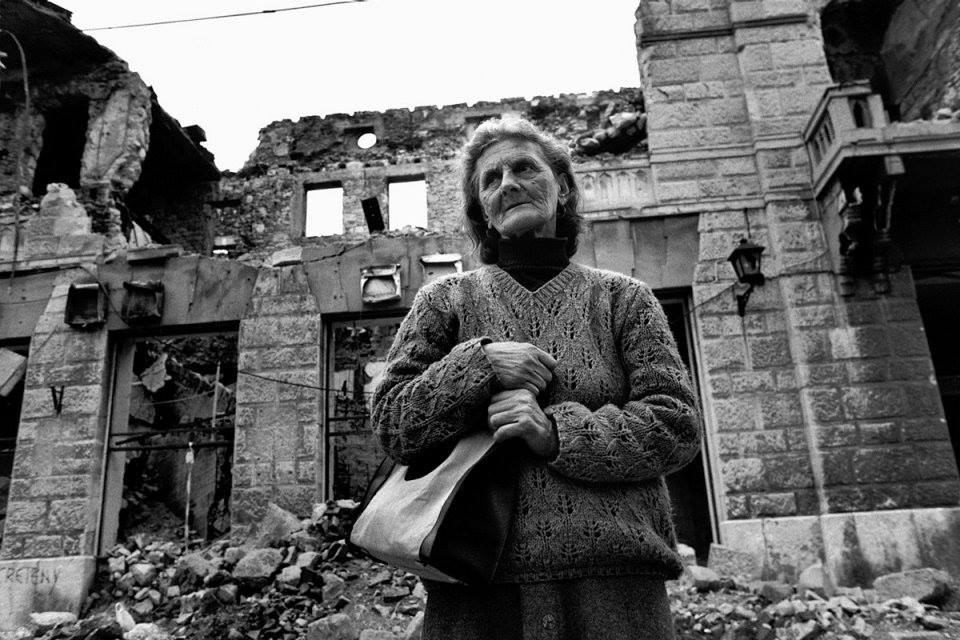
Maternal Fright and South Slavic Oral Memory Traditions: Biosemiotics, Epigenetics, and Somatic Psychobiology Healing Practices
[fusion_builder_container hundred_percent=”no” hundred_percent_height=”no” hundred_percent_height_scroll=”no” hundred_percent_height_center_content=”yes” equal_height_columns=”no” menu_anchor=”” hide_on_mobile=”small-visibility,medium-visibility,large-visibility” status=”published” publish_date=”” class=”” id=”” border_size=”” border_color=”” border_style=”solid” margin_top=”” margin_bottom=”” padding_top=”” padding_right=”” padding_bottom=”” padding_left=”” gradient_start_color=”” gradient_end_color=”” gradient_start_position=”0″ gradient_end_position=”100″ gradient_type=”linear” radial_direction=”center” linear_angle=”180″ background_color=”” background_image=”” background_position=”center center” background_repeat=”no-repeat” fade=”no” background_parallax=”none” enable_mobile=”no” parallax_speed=”0.3″ background_blend_mode=”none” video_mp4=”” video_webm=”” video_ogv=”” video_url=”” video_aspect_ratio=”16:9″ video_loop=”yes” video_mute=”yes” video_preview_image=”” filter_hue=”0″ filter_saturation=”100″ filter_brightness=”100″ filter_contrast=”100″ filter_invert=”0″ filter_sepia=”0″ filter_opacity=”100″ filter_blur=”0″ filter_hue_hover=”0″ filter_saturation_hover=”100″ filter_brightness_hover=”100″ filter_contrast_hover=”100″ filter_invert_hover=”0″ filter_sepia_hover=”0″ filter_opacity_hover=”100″ filter_blur_hover=”0″][fusion_builder_row][fusion_builder_column type=”1_3″ layout=”1_3″ spacing=”” center_content=”no” link=”” target=”_self” min_height=”” hide_on_mobile=”small-visibility,medium-visibility,large-visibility” class=”” id=”” hover_type=”none” border_size=”0″ border_color=”” border_style=”solid” border_position=”all” border_radius=”” box_shadow=”no” dimension_box_shadow=”” box_shadow_blur=”0″ box_shadow_spread=”0″ box_shadow_color=”” box_shadow_style=”” padding_top=”” padding_right=”” padding_bottom=”” padding_left=”” margin_top=”” margin_bottom=”” background_type=”single” gradient_start_color=”” gradient_end_color=”” gradient_start_position=”0″ gradient_end_position=”100″ gradient_type=”linear” radial_direction=”center” linear_angle=”180″ background_color=”” background_image=”” background_image_id=”” background_position=”left top” background_repeat=”no-repeat” background_blend_mode=”none” animation_type=”” animation_direction=”left” animation_speed=”0.3″ animation_offset=”” filter_type=”regular” filter_hue=”0″ filter_saturation=”100″ filter_brightness=”100″ filter_contrast=”100″ filter_invert=”0″ filter_sepia=”0″ filter_opacity=”100″ filter_blur=”0″ filter_hue_hover=”0″ filter_saturation_hover=”100″ filter_brightness_hover=”100″ filter_contrast_hover=”100″ filter_invert_hover=”0″ filter_sepia_hover=”0″ filter_opacity_hover=”100″ filter_blur_hover=”0″ last=”no”][fusion_imageframe image_id=”1443|full” max_width=”” style_type=”” blur=”” stylecolor=”” hover_type=”none” bordersize=”1″ bordercolor=”” borderradius=”” align=”none” lightbox=”no” gallery_id=”” lightbox_image=”” lightbox_image_id=”” alt=”” link=”https://birthpsychology.com/journal/article/maternal-fright-south-slavic-oral-memory-traditions-danica-anderson?fbclid=IwAR1bODuCgQwFdj3alMldgOS_jTVye-1LIi_dqbYRyMj4VjVpJiqKtRveJRw” linktarget=”_self” hide_on_mobile=”small-visibility,medium-visibility,large-visibility” class=”” id=”” animation_type=”” animation_direction=”left” animation_speed=”0.3″ animation_offset=””]https://mameheraz.nexifysoft.com/wp-content/uploads/2020/01/Journal-of-PreNatal-PeriNatal-Psychology-Health-image.jpg[/fusion_imageframe][/fusion_builder_column][fusion_builder_column type=”2_3″ layout=”2_3″ spacing=”” center_content=”no” link=”” target=”_self” min_height=”” hide_on_mobile=”small-visibility,medium-visibility,large-visibility” class=”” id=”” hover_type=”none” border_size=”0″ border_color=”” border_style=”solid” border_position=”all” border_radius=”” box_shadow=”no” dimension_box_shadow=”” box_shadow_blur=”0″ box_shadow_spread=”0″ box_shadow_color=”” box_shadow_style=”” padding_top=”” padding_right=”” padding_bottom=”” padding_left=”” margin_top=”” margin_bottom=”” background_type=”single” gradient_start_color=”” gradient_end_color=”” gradient_start_position=”0″ gradient_end_position=”100″ gradient_type=”linear” radial_direction=”center” linear_angle=”180″ background_color=”” background_image=”” background_image_id=”” background_position=”left top” background_repeat=”no-repeat” background_blend_mode=”none” animation_type=”” animation_direction=”left” animation_speed=”0.3″ animation_offset=”” filter_type=”regular” filter_hue=”0″ filter_saturation=”100″ filter_brightness=”100″ filter_contrast=”100″ filter_invert=”0″ filter_sepia=”0″ filter_opacity=”100″ filter_blur=”0″ filter_hue_hover=”0″ filter_saturation_hover=”100″ filter_brightness_hover=”100″ filter_contrast_hover=”100″ filter_invert_hover=”0″ filter_sepia_hover=”0″ filter_opacity_hover=”100″ filter_blur_hover=”0″ last=”no”][fusion_text columns=”” column_min_width=”” column_spacing=”” rule_style=”default” rule_size=”” rule_color=”” hide_on_mobile=”small-visibility,medium-visibility,large-visibility” class=”” id=”” animation_type=”” animation_direction=”left” animation_speed=”0.3″ animation_offset=””] Abstract: The Slavic term “maternal fright” is carved from chronic wars and violence towards women and is a form of transgenerational trauma. The forgotten conflict, the Balkan War of 1991-95 in the former Yugoslav region, resulted in South Slavic female survivors in the aftermath of war utilizing extensive cultural practices including oral memory traditions to ameliorate their experiences of trauma with greater focus on eradicating maternal fright. This review of interdisciplinary fields from biosemiotics, epigenetics, perinatal psychology, oral memory theories, and neuroscience is used to frame the survivors’ trauma as intensified learning and a space and place for healing. The tacit female knowledge embedded in South Slavic oral memory traditions connects to complex biologically aligned practices. For example, the body clock, or circadian rhythms, are regulated with oral memory practices to maintain and heal trauma. [/fusion_text][/fusion_builder_column][/fusion_builder_row][/fusion_builder_container][fusion_builder_container hundred_percent=”no” hundred_percent_height=”no” hundred_percent_height_scroll=”no” hundred_percent_height_center_content=”yes” equal_height_columns=”no” menu_anchor=”” hide_on_mobile=”small-visibility,medium-visibility,large-visibility” status=”published” publish_date=”” class=”” id=”” border_size=”” border_color=”” border_style=”solid” margin_top=”” margin_bottom=”” padding_top=”” padding_right=”” padding_bottom=”” padding_left=”” gradient_start_color=”” gradient_end_color=”” gradient_start_position=”0″ gradient_end_position=”100″ gradient_type=”linear” radial_direction=”center” linear_angle=”180″ background_color=”” background_image=”” background_position=”center center” background_repeat=”no-repeat” fade=”no” background_parallax=”none” enable_mobile=”no” parallax_speed=”0.3″ background_blend_mode=”none” video_mp4=”” video_webm=”” video_ogv=”” video_url=”” video_aspect_ratio=”16:9″ video_loop=”yes” video_mute=”yes” video_preview_image=”” filter_hue=”0″ filter_saturation=”100″ filter_brightness=”100″ filter_contrast=”100″ filter_invert=”0″ filter_sepia=”0″ filter_opacity=”100″ filter_blur=”0″ filter_hue_hover=”0″ filter_saturation_hover=”100″ filter_brightness_hover=”100″ filter_contrast_hover=”100″ filter_invert_hover=”0″ filter_sepia_hover=”0″ filter_opacity_hover=”100″ filter_blur_hover=”0″][fusion_builder_row][fusion_builder_column type=”1_1″ layout=”1_1″ spacing=”” center_content=”no” link=”” target=”_self” min_height=”” hide_on_mobile=”small-visibility,medium-visibility,large-visibility” class=”” id=”” hover_type=”none” border_size=”0″ border_color=”” border_style=”solid” border_position=”all” border_radius=”” box_shadow=”no” dimension_box_shadow=”” box_shadow_blur=”0″ box_shadow_spread=”0″ box_shadow_color=”” box_shadow_style=”” padding_top=”” padding_right=”” padding_bottom=”” padding_left=”” margin_top=”” margin_bottom=”” background_type=”single” gradient_start_color=”” gradient_end_color=”” gradient_start_position=”0″ gradient_end_position=”100″ gradient_type=”linear” radial_direction=”center” linear_angle=”180″ background_color=”” background_image=”” background_image_id=”” background_position=”left top” background_repeat=”no-repeat” background_blend_mode=”none” animation_type=”” animation_direction=”left” animation_speed=”0.3″ animation_offset=”” filter_type=”regular” filter_hue=”0″ filter_saturation=”100″ filter_brightness=”100″ filter_contrast=”100″ filter_invert=”0″ filter_sepia=”0″ filter_opacity=”100″ filter_blur=”0″ filter_hue_hover=”0″ filter_saturation_hover=”100″ filter_brightness_hover=”100″ filter_contrast_hover=”100″ filter_invert_hover=”0″ filter_sepia_hover=”0″ filter_opacity_hover=”100″ filter_blur_hover=”0″ last=”no”][fusion_text columns=”” column_min_width=”” column_spacing=”” rule_style=”default” rule_size=”” rule_color=”” hide_on_mobile=”small-visibility,medium-visibility,large-visibility” class=”” id=”” animation_type=”” animation_direction=”left” animation_speed=”0.3″ animation_offset=””] Keywords: maternal fright, oral memory traditions, healing practices [/fusion_text][fusion_text columns=”” column_min_width=”” column_spacing=”” rule_style=”default” rule_size=”” rule_color=”” hide_on_mobile=”small-visibility,medium-visibility,large-visibility” class=”” id=”” animation_type=”” animation_direction=”left” animation_speed=”0.3″ animation_offset=””] Published: Journal of Prenatal and Perinatal Psychology and Health 30(3), Spring 2016 [/fusion_text][fusion_text columns=”” column_min_width=”” column_spacing=”” rule_style=”default” rule_size=”” rule_color=”” hide_on_mobile=”small-visibility,medium-visibility,large-visibility” class=”” id=”” animation_type=”” animation_direction=”left” animation_speed=”0.3″ animation_offset=””] Download full Article: MaternalFright in PeriNatal Psych Journal [/fusion_text][/fusion_builder_column][/fusion_builder_row][/fusion_builder_container]
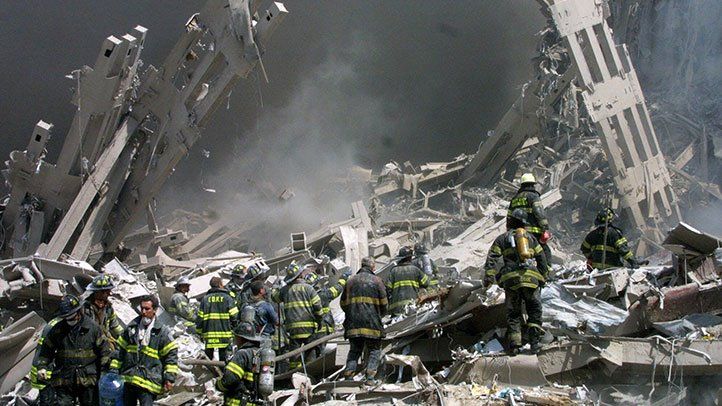
9/11 – Survival Stories of Families and Loved Ones
[fusion_builder_container hundred_percent=”no” hundred_percent_height=”no” hundred_percent_height_scroll=”no” hundred_percent_height_center_content=”yes” equal_height_columns=”no” menu_anchor=”” hide_on_mobile=”small-visibility,medium-visibility,large-visibility” status=”published” publish_date=”” class=”” id=”” border_size=”” border_color=”” border_style=”solid” margin_top=”” margin_bottom=”” padding_top=”” padding_right=”” padding_bottom=”” padding_left=”” gradient_start_color=”” gradient_end_color=”” gradient_start_position=”0″ gradient_end_position=”100″ gradient_type=”linear” radial_direction=”center” linear_angle=”180″ background_color=”” background_image=”” background_position=”center center” background_repeat=”no-repeat” fade=”no” background_parallax=”none” enable_mobile=”no” parallax_speed=”0.3″ background_blend_mode=”none” video_mp4=”” video_webm=”” video_ogv=”” video_url=”” video_aspect_ratio=”16:9″ video_loop=”yes” video_mute=”yes” video_preview_image=”” filter_hue=”0″ filter_saturation=”100″ filter_brightness=”100″ filter_contrast=”100″ filter_invert=”0″ filter_sepia=”0″ filter_opacity=”100″ filter_blur=”0″ filter_hue_hover=”0″ filter_saturation_hover=”100″ filter_brightness_hover=”100″ filter_contrast_hover=”100″ filter_invert_hover=”0″ filter_sepia_hover=”0″ filter_opacity_hover=”100″ filter_blur_hover=”0″][fusion_builder_row][fusion_builder_column type=”1_1″ layout=”2_3″ spacing=”” center_content=”no” link=”” target=”_self” min_height=”” hide_on_mobile=”small-visibility,medium-visibility,large-visibility” class=”” id=”” hover_type=”none” border_size=”0″ border_color=”” border_style=”solid” border_position=”all” border_radius=”” box_shadow=”no” dimension_box_shadow=”” box_shadow_blur=”0″ box_shadow_spread=”0″ box_shadow_color=”” box_shadow_style=”” padding_top=”” padding_right=”” padding_bottom=”” padding_left=”” margin_top=”” margin_bottom=”” background_type=”single” gradient_start_color=”” gradient_end_color=”” gradient_start_position=”0″ gradient_end_position=”100″ gradient_type=”linear” radial_direction=”center” linear_angle=”180″ background_color=”” background_image=”” background_image_id=”” background_position=”left top” background_repeat=”no-repeat” background_blend_mode=”none” animation_type=”” animation_direction=”left” animation_speed=”0.3″ animation_offset=”” filter_type=”regular” filter_hue=”0″ filter_saturation=”100″ filter_brightness=”100″ filter_contrast=”100″ filter_invert=”0″ filter_sepia=”0″ filter_opacity=”100″ filter_blur=”0″ filter_hue_hover=”0″ filter_saturation_hover=”100″ filter_brightness_hover=”100″ filter_contrast_hover=”100″ filter_invert_hover=”0″ filter_sepia_hover=”0″ filter_opacity_hover=”100″ filter_blur_hover=”0″ last=”no”][fusion_text columns=”” column_min_width=”” column_spacing=”” rule_style=”default” rule_size=”” rule_color=”” hide_on_mobile=”small-visibility,medium-visibility,large-visibility” class=”” id=”” animation_type=”” animation_direction=”left” animation_speed=”0.3″ animation_offset=””] 9/11 Aftermath of trauma- Family and Loved Ones; the crossroads between life and death At the million circles conference where I presented my Kolo Informed Trauma Care, one woman in the audience was the spouse whose husband was killed in the Trade Towers. This was years later and she shared how invisible and forgotten she and her children felt. It was as if her husband who was killed and had to be killed to be one of value. She acknowledged the survivors who made it out in order to share their stories to the world. She said they also have a place and space in memorial making, a museum and media. But, she and the families do not have a place or the space to be visible. The only place to be visible was in a public and national memorial site so that media can photograph victims- sensationalize their pain. She asked what of the family and loved ones in the aftermath? What of their pain? What of their trauma? Where do they put their trauma narratives? What she is talking about is how the access to their truth of their grief and collective trauma is strategically avoided. Somehow, she knew the truth of their grief is evidence materialized into cognition and can be witnessed. But, so many turn away from bearing witness voiding the medium of healing for the 9/11 families and loved one. According to Dana Rose Garfin, research scientist, its the collective pain that is made invisible, “As an applied social psychologist, I study responses to natural and human-caused adversities that impact large segments of the population – also called “collective trauma.” My research group at the University of California, Irvine (UCI) has found that such exposures have compounding effects over the course of one’s lifespan. This is particularly relevant for children who have grown up in a post-9/11 society.” It is a chronic crisis for the families and loved ones that builds into greater intensity with t he passage of time. She shared this eloquently in the conference room. What I learned from her is how a collective trauma is birthed out of a shared experience, a horrific traumatic events that certainly falls outside of the range of any ordinary human experiences. But, the families and survivors are excluded and their collective trauma nationalized for war or political gains. How and where do their families and loved ones articulate the unforeseeable trauma and pain in the aftermath of 9/11 that is quite unforgettable to them? [/fusion_text][/fusion_builder_column][/fusion_builder_row][/fusion_builder_container][fusion_builder_container hundred_percent=”no” hundred_percent_height=”no” hundred_percent_height_scroll=”no” hundred_percent_height_center_content=”yes” equal_height_columns=”no” menu_anchor=”” hide_on_mobile=”small-visibility,medium-visibility,large-visibility” status=”published” publish_date=”” class=”” id=”” border_size=”3″ border_color=”#af312f” border_style=”solid” margin_top=”30px” margin_bottom=”” padding_top=”” padding_right=”30px” padding_bottom=”50px” padding_left=”50px” gradient_start_color=”” gradient_end_color=”” gradient_start_position=”0″ gradient_end_position=”100″ gradient_type=”linear” radial_direction=”center” linear_angle=”180″ background_color=”rgba(43,43,43,0.21)” background_image=”” background_position=”center center” background_repeat=”no-repeat” fade=”no” background_parallax=”none” enable_mobile=”no” parallax_speed=”0.3″ background_blend_mode=”none” video_mp4=”” video_webm=”” video_ogv=”” video_url=”” video_aspect_ratio=”16:9″ video_loop=”yes” video_mute=”yes” video_preview_image=”” filter_hue=”0″ filter_saturation=”100″ filter_brightness=”100″ filter_contrast=”100″ filter_invert=”0″ filter_sepia=”0″ filter_opacity=”100″ filter_blur=”0″ filter_hue_hover=”0″ filter_saturation_hover=”100″ filter_brightness_hover=”100″ filter_contrast_hover=”100″ filter_invert_hover=”0″ filter_sepia_hover=”0″ filter_opacity_hover=”100″ filter_blur_hover=”0″][fusion_builder_row][fusion_builder_column type=”1_1″ layout=”1_1″ spacing=”” center_content=”no” link=”” target=”_self” min_height=”” hide_on_mobile=”small-visibility,medium-visibility,large-visibility” class=”” id=”” hover_type=”none” border_size=”0″ border_color=”” border_style=”solid” border_position=”all” border_radius=”” box_shadow=”no” dimension_box_shadow=”” box_shadow_blur=”0″ box_shadow_spread=”0″ box_shadow_color=”” box_shadow_style=”” padding_top=”” padding_right=”” padding_bottom=”” padding_left=”” margin_top=”” margin_bottom=”” background_type=”single” gradient_start_color=”” gradient_end_color=”” gradient_start_position=”0″ gradient_end_position=”100″ gradient_type=”linear” radial_direction=”center” linear_angle=”180″ background_color=”” background_image=”” background_image_id=”” background_position=”left top” background_repeat=”no-repeat” background_blend_mode=”none” animation_type=”” animation_direction=”left” animation_speed=”0.3″ animation_offset=”” filter_type=”regular” filter_hue=”0″ filter_saturation=”100″ filter_brightness=”100″ filter_contrast=”100″ filter_invert=”0″ filter_sepia=”0″ filter_opacity=”100″ filter_blur=”0″ filter_hue_hover=”0″ filter_saturation_hover=”100″ filter_brightness_hover=”100″ filter_contrast_hover=”100″ filter_invert_hover=”0″ filter_sepia_hover=”0″ filter_opacity_hover=”100″ filter_blur_hover=”0″ last=”no”][fusion_text columns=”” column_min_width=”” column_spacing=”” rule_style=”default” rule_size=”” rule_color=”” hide_on_mobile=”small-visibility,medium-visibility,large-visibility” class=”” id=”” animation_type=”” animation_direction=”left” animation_speed=”0.3″ animation_offset=””] Dr. Danica Anderson Social Scientist, Trauma Expert The Kolo: Women’s Cross-Cultural Collaboration [/fusion_text][/fusion_builder_column][/fusion_builder_row][/fusion_builder_container][fusion_builder_container hundred_percent=”no” hundred_percent_height=”no” hundred_percent_height_scroll=”no” hundred_percent_height_center_content=”yes” equal_height_columns=”no” menu_anchor=”” hide_on_mobile=”small-visibility,medium-visibility,large-visibility” status=”published” publish_date=”” class=”” id=”” border_size=”3″ border_color=”#af312f” border_style=”solid” margin_top=”30px” margin_bottom=”” padding_top=”” padding_right=”30px” padding_bottom=”50px” padding_left=”50px” gradient_start_color=”” gradient_end_color=”” gradient_start_position=”0″ gradient_end_position=”100″ gradient_type=”linear” radial_direction=”center” linear_angle=”180″ background_color=”rgba(43,43,43,0.21)” background_image=”” background_position=”center center” background_repeat=”no-repeat” fade=”no” background_parallax=”none” enable_mobile=”no” parallax_speed=”0.3″ background_blend_mode=”none” video_mp4=”” video_webm=”” video_ogv=”” video_url=”” video_aspect_ratio=”16:9″ video_loop=”yes” video_mute=”yes” video_preview_image=”” filter_hue=”0″ filter_saturation=”100″ filter_brightness=”100″ filter_contrast=”100″ filter_invert=”0″ filter_sepia=”0″ filter_opacity=”100″ filter_blur=”0″ filter_hue_hover=”0″ filter_saturation_hover=”100″ filter_brightness_hover=”100″ filter_contrast_hover=”100″ filter_invert_hover=”0″ filter_sepia_hover=”0″ filter_opacity_hover=”100″ filter_blur_hover=”0″][fusion_builder_row][/fusion_builder_row][/fusion_builder_container]
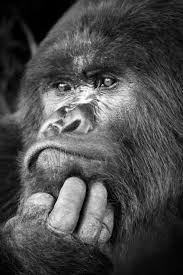
The gorilla beating on our chests is finally visible: The discovery of Epigenetic Gene in Trauma impacting our immune system
My Kolo Informed Trauma Care has observed and understood the epigenetic influences for transgenerational trauma and body impacts. This is especially observed with my trauma work on Bosnian Muslim women war crimes and war survivors. My own lineage follows along Photographer Salgado saw the gorilla beating on his chest- Balkan War, Bosnia 1999 with these Bosnian women whose ancestors recorded a century of wars. I know why I saw the gorilla beating on our chests. My field work in trauma, crisis response and in the conflict zones across the world noted the suffering immune system in all. I understand how we live life, the decisions we make are the epigenetic prevention for our health and sound mind. I did this by focusing on their felt states, the women’s tacit knowledge and intuition. Dr. Anderson’s book Blood & Honey: the secret herstory of women https://www.amazon.com/Blood-Honey-Secret-Herstory-Survivors/ Dr. According to scientist Daniel M. Davis, research “emphasise an important truth: we see with our brains rather than our eyes…senses focused [to] become more open to the new”. Given that epigenetics is the environment shaping us and ourselves shaping the environment, senses such as feelings and the traumatic fright/flight, these pattern recognitions lends itself to transgenerational trauma and body impacts such as diseases. However, Davis cited how scientific discovery is slow to realize what is being observed in research. In an experiment by two Harvard psychologists, Christopher Chabris and Daniel Simons, where a video of passing basketballs between them had a female in a gorilla costume facing the camera beating her chest. None of the study participants saw the gorilla. Invisible Gorilla experiment images The perceptual blindness and what the late Dr. Lynn Margulis cites as ‘trained incapacities” was no longer an obstacle. Scientists were able to see the gorilla beating our chests. Perceptual blindness and trained incapacities is revealing discoveries In the Journal of Brain, Behavior, and Immunity shows the relationship with our bodies’ immune system and trauma to stress with the epigenetic AIM2 gene. “ In a study from January 2018, Dr. Miller and his team were able to pinpoint how traumatic stress influences one important gene associated with inflammation, the AIM2 gene. The protein CRP, C-reactive protein, as a major player in our response to inflammation. CRP can act like an internal firefighter – it puts out the blaze of inflammation in the central and peripheral nervous system. And the gene most responsible for producing CRP is AIM2.” While the mostly male scientists laud each other, I laud the women I have worked with in the killing fields. The women already knew the epigenetic gene and how transgenerational trauma is inherited. Even though the women could not name the epigenetic gene AIM2 gene or CRP C-reactive protein responsible for immune system impacts, they knew the body is connected with everything and even to future generations. The women and the children are not invisible to me. Bosnian Kolo Sumejja women war crimes and war survivors give donated food stuff to refugees in Travnik, Bosnia 2002 Author: Dr. Danica Anderson Social Scientist- Trauma Expert
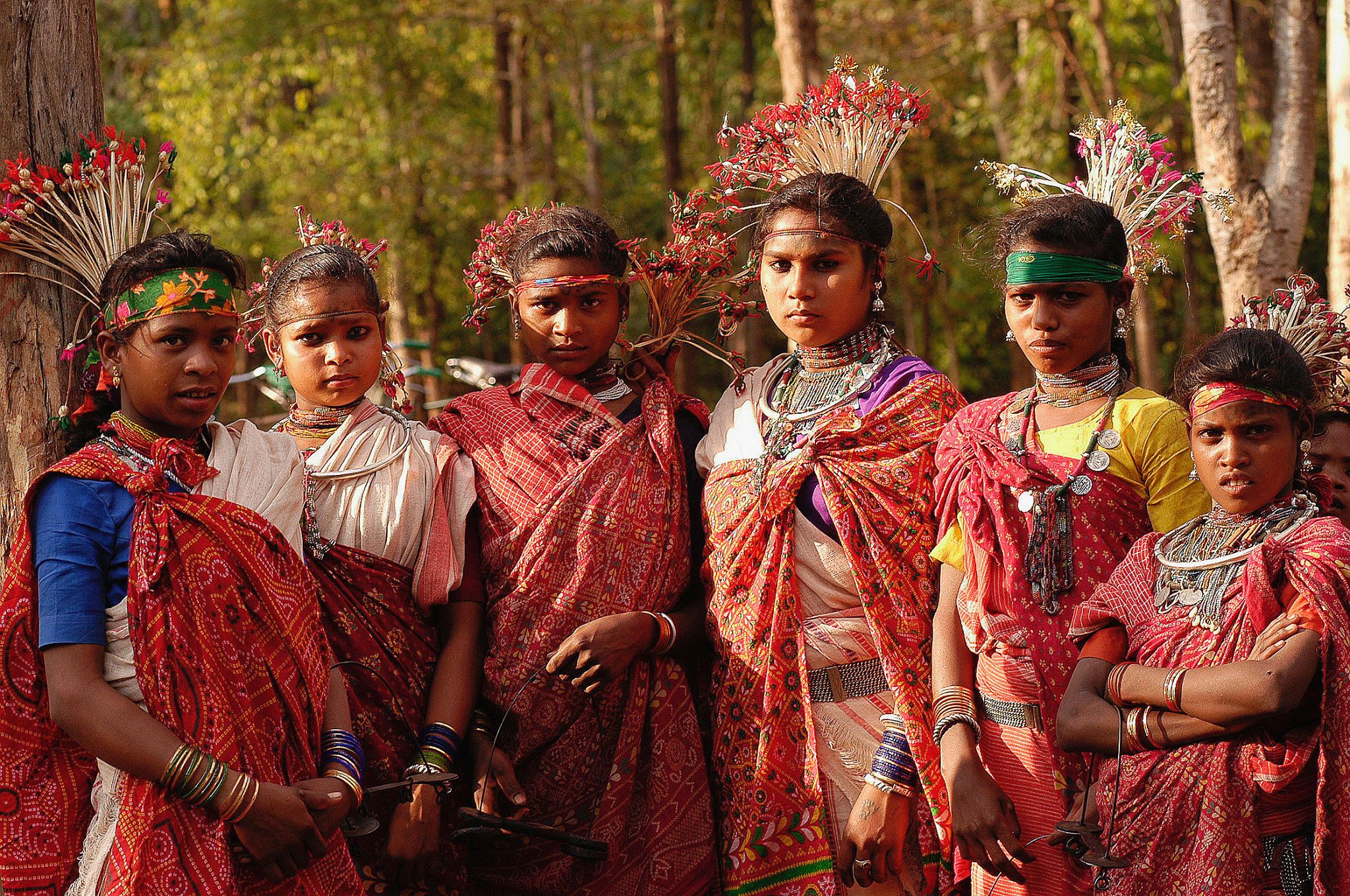
Tacit Knowledge: Life Experiences Heal Trauma
[fusion_builder_container hundred_percent=”no” hundred_percent_height=”no” hundred_percent_height_scroll=”no” hundred_percent_height_center_content=”yes” equal_height_columns=”no” menu_anchor=”” hide_on_mobile=”small-visibility,medium-visibility,large-visibility” status=”published” publish_date=”” class=”” id=”” border_size=”” border_color=”” border_style=”solid” margin_top=”” margin_bottom=”” padding_top=”” padding_right=”” padding_bottom=”” padding_left=”” gradient_start_color=”” gradient_end_color=”” gradient_start_position=”0″ gradient_end_position=”100″ gradient_type=”linear” radial_direction=”center” linear_angle=”180″ background_color=”” background_image=”” background_position=”center center” background_repeat=”no-repeat” fade=”no” background_parallax=”none” enable_mobile=”no” parallax_speed=”0.3″ background_blend_mode=”none” video_mp4=”” video_webm=”” video_ogv=”” video_url=”” video_aspect_ratio=”16:9″ video_loop=”yes” video_mute=”yes” video_preview_image=”” filter_hue=”0″ filter_saturation=”100″ filter_brightness=”100″ filter_contrast=”100″ filter_invert=”0″ filter_sepia=”0″ filter_opacity=”100″ filter_blur=”0″ filter_hue_hover=”0″ filter_saturation_hover=”100″ filter_brightness_hover=”100″ filter_contrast_hover=”100″ filter_invert_hover=”0″ filter_sepia_hover=”0″ filter_opacity_hover=”100″ filter_blur_hover=”0″][fusion_builder_row][fusion_builder_column type=”1_1″ layout=”1_1″ spacing=”” center_content=”no” link=”” target=”_self” min_height=”” hide_on_mobile=”small-visibility,medium-visibility,large-visibility” class=”” id=”” hover_type=”none” border_size=”0″ border_color=”” border_style=”solid” border_position=”all” border_radius=”” box_shadow=”no” dimension_box_shadow=”” box_shadow_blur=”0″ box_shadow_spread=”0″ box_shadow_color=”” box_shadow_style=”” padding_top=”” padding_right=”” padding_bottom=”” padding_left=”” margin_top=”” margin_bottom=”” background_type=”single” gradient_start_color=”” gradient_end_color=”” gradient_start_position=”0″ gradient_end_position=”100″ gradient_type=”linear” radial_direction=”center” linear_angle=”180″ background_color=”” background_image=”” background_image_id=”” background_position=”left top” background_repeat=”no-repeat” background_blend_mode=”none” animation_type=”” animation_direction=”left” animation_speed=”0.3″ animation_offset=”” filter_type=”regular” filter_hue=”0″ filter_saturation=”100″ filter_brightness=”100″ filter_contrast=”100″ filter_invert=”0″ filter_sepia=”0″ filter_opacity=”100″ filter_blur=”0″ filter_hue_hover=”0″ filter_saturation_hover=”100″ filter_brightness_hover=”100″ filter_contrast_hover=”100″ filter_invert_hover=”0″ filter_sepia_hover=”0″ filter_opacity_hover=”100″ filter_blur_hover=”0″ last=”no”][fusion_text columns=”” column_min_width=”” column_spacing=”” rule_style=”default” rule_size=”” rule_color=”” hide_on_mobile=”small-visibility,medium-visibility,large-visibility” class=”” id=”” animation_type=”” animation_direction=”left” animation_speed=”0.3″ animation_offset=””] With our DNA and all the genomics is an intangible- tacit knowledge. Dr. Polanyi (biosemiotics) and Dr. Wendy Wheeler ” the kind of tacit knowledge that consists in the intimation of something hidden, which we may yet discover”. Tacit thought is “indispensable part of all knowledge”. With the male dominated sciences exclusion of female biology and even her DNA intricacies- tacit knowledge and healing of trauma, I have found that the male authored sciences cannot be told or taught. And it doesn’t matter how many times it is told to have the sense-based knowledge since it is burrowed in secrecy and hidden. Why? Because it is experiential knowledge- lived experiences. In other words they just don’t get it. And if they do get it, they are named the discoverer or copyright it. I have witnessed in my Kolo Informed Trauma Care clinical work women’s life experiences dealing with a world of violence becomes a return to a state of equilibrium. In doing so, women’s tacit knowledge- lived experiences are evolutionary developments evolving an even greater cultural complexity. It is a resource that could save us all and heal the planet all at once. Additionally, I add that epigenetics (the environment shapes us and we shape the environment largely through small repeated acts) is what deepens the roots of knowledge,so that we can grow and extend to the fullest of its capacities. Biological evolution encompasses a strata of complexity – it proceeds in this fashion where female biological processes (pregnancy, birth, child rearing) creates culture thus human knowledge- a tacit knowledge, a based genomic evolution. Certainly, women creating culture thus evolving culture to new complexities sets up the environment for change- evolving not solving. According to Dr. Wendy Wheeler, tacit knowledge reflects “on our embedded and socially embedded nature as selves”. With my Kolo Self Informed Trauma Care I realized its not interventions but prevention that occurs when I bear witness to women’s tacit knowledge. The most effective interventions in our complex biological systems – environmental, ecological and culture healing is the inclusion not exclusion of women’s’ capacity as culture creators that return life to an equilibrium. But, this would be too great of a momentous shift for linear scientific thought and our military industrial complex. Why? Male authored sciences and male world wide power and authority cannot stamp their name on it or be memorialized as heroes and great men. [/fusion_text][/fusion_builder_column][/fusion_builder_row][/fusion_builder_container][fusion_builder_container hundred_percent=”no” hundred_percent_height=”no” hundred_percent_height_scroll=”no” hundred_percent_height_center_content=”yes” equal_height_columns=”no” menu_anchor=”” hide_on_mobile=”small-visibility,medium-visibility,large-visibility” status=”published” publish_date=”” class=”” id=”” border_size=”3″ border_color=”#af312f” border_style=”solid” margin_top=”30px” margin_bottom=”” padding_top=”” padding_right=”30px” padding_bottom=”50px” padding_left=”50px” gradient_start_color=”” gradient_end_color=”” gradient_start_position=”0″ gradient_end_position=”100″ gradient_type=”linear” radial_direction=”center” linear_angle=”180″ background_color=”rgba(43,43,43,0.21)” background_image=”” background_position=”center center” background_repeat=”no-repeat” fade=”no” background_parallax=”none” enable_mobile=”no” parallax_speed=”0.3″ background_blend_mode=”none” video_mp4=”” video_webm=”” video_ogv=”” video_url=”” video_aspect_ratio=”16:9″ video_loop=”yes” video_mute=”yes” video_preview_image=”” filter_hue=”0″ filter_saturation=”100″ filter_brightness=”100″ filter_contrast=”100″ filter_invert=”0″ filter_sepia=”0″ filter_opacity=”100″ filter_blur=”0″ filter_hue_hover=”0″ filter_saturation_hover=”100″ filter_brightness_hover=”100″ filter_contrast_hover=”100″ filter_invert_hover=”0″ filter_sepia_hover=”0″ filter_opacity_hover=”100″ filter_blur_hover=”0″][fusion_builder_row][fusion_builder_column type=”1_1″ layout=”1_1″ spacing=”” center_content=”no” link=”” target=”_self” min_height=”” hide_on_mobile=”small-visibility,medium-visibility,large-visibility” class=”” id=”” hover_type=”none” border_size=”0″ border_color=”” border_style=”solid” border_position=”all” border_radius=”” box_shadow=”no” dimension_box_shadow=”” box_shadow_blur=”0″ box_shadow_spread=”0″ box_shadow_color=”” box_shadow_style=”” padding_top=”” padding_right=”” padding_bottom=”” padding_left=”” margin_top=”” margin_bottom=”” background_type=”single” gradient_start_color=”” gradient_end_color=”” gradient_start_position=”0″ gradient_end_position=”100″ gradient_type=”linear” radial_direction=”center” linear_angle=”180″ background_color=”” background_image=”” background_image_id=”” background_position=”left top” background_repeat=”no-repeat” background_blend_mode=”none” animation_type=”” animation_direction=”left” animation_speed=”0.3″ animation_offset=”” filter_type=”regular” filter_hue=”0″ filter_saturation=”100″ filter_brightness=”100″ filter_contrast=”100″ filter_invert=”0″ filter_sepia=”0″ filter_opacity=”100″ filter_blur=”0″ filter_hue_hover=”0″ filter_saturation_hover=”100″ filter_brightness_hover=”100″ filter_contrast_hover=”100″ filter_invert_hover=”0″ filter_sepia_hover=”0″ filter_opacity_hover=”100″ filter_blur_hover=”0″ last=”no”][fusion_text columns=”” column_min_width=”” column_spacing=”” rule_style=”default” rule_size=”” rule_color=”” hide_on_mobile=”small-visibility,medium-visibility,large-visibility” class=”” id=”” animation_type=”” animation_direction=”left” animation_speed=”0.3″ animation_offset=””] Dr. Danica Anderson Social Scientist, Trauma Expert The Kolo: Women’s Cross-Cultural Collaboration [/fusion_text][/fusion_builder_column][/fusion_builder_row][/fusion_builder_container]
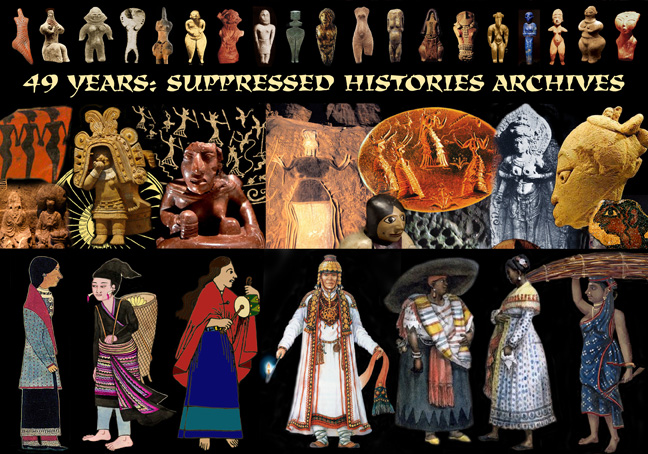
Restoring Women to Cultural Memory
[fusion_builder_container hundred_percent=”no” equal_height_columns=”no” menu_anchor=”” hide_on_mobile=”small-visibility,medium-visibility,large-visibility” class=”” id=”” background_color=”” background_image=”” background_position=”center center” background_repeat=”no-repeat” fade=”no” background_parallax=”none” parallax_speed=”0.3″ video_mp4=”” video_webm=”” video_ogv=”” video_url=”” video_aspect_ratio=”16:9″ video_loop=”yes” video_mute=”yes” overlay_color=”” video_preview_image=”” border_size=”” border_color=”” border_style=”solid” padding_top=”” padding_bottom=”” padding_left=”” padding_right=””][fusion_builder_row][fusion_builder_column type=”1_1″ layout=”1_1″ background_position=”left top” background_color=”” border_size=”” border_color=”” border_style=”solid” border_position=”all” spacing=”yes” background_image=”” background_repeat=”no-repeat” padding_top=”” padding_right=”” padding_bottom=”” padding_left=”” margin_top=”0px” margin_bottom=”0px” class=”” id=”” animation_type=”” animation_speed=”0.3″ animation_direction=”left” hide_on_mobile=”small-visibility,medium-visibility,large-visibility” center_content=”no” last=”no” min_height=”” hover_type=”none” link=””][fusion_text] “Women are the Footnotes’ Footnote”- a must see video for all females – especially daughters. The influential study conducted through vast materials highlighted the invisible sex and the relationship of a certain empowerment women are naturally endowed with to that of cultural memory. This video was shared by Max Dashu, founder of Suppressed Histories Archives. [/fusion_text][/fusion_builder_column][/fusion_builder_row][/fusion_builder_container]
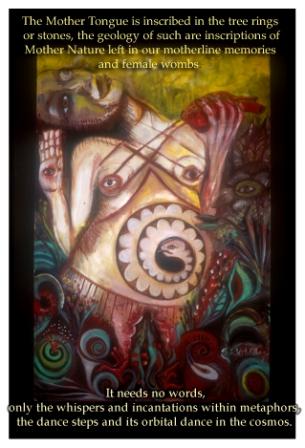
Is there only silence for our daughters?
Is there only silence for our daughters? Republish from 11-18-2007 In excavating motherhood, it is startling to realize how celebratory ancient matrifocal systems were, and that there was no lag time in responding to the needs of the female gender. In “Old Europe” (7th to 3rd Millennia B.C.E.) Slavic peoples held reverence with Moist Mother Earth. In cognitive archeology, this reaffirmed the motherhood concept and its evolving symbolism that is threaded through the generations of daughters descending from our first mother in Africa. Just as a female’s mitochondrial DNA remains unchanged through thousands of generations, motherhood at this time was defined by daughters and mothers who could not be diluted and rendered useless. The social configuration characteristic of a Great Mother society was an era of great peace and absent of violence directed at females. Our daughters were esteemed and valued. Geneticist Bryan Sykes researched the same ancient eras and peoples whose clan mothers provided the maternal DNA (mitochondria) which evolved into our modern day species. Described by Sykes, clan mothers are defined as having two daughters in order for the random mutation to occur in mitochondria DNA. Sykes addressed how female biology evolved in the Paleolithic era and then again in Neolithic era, but pointed to how the “real power of mitochondrial DNA is that it is not diluted by distance.” (Seven Daughters of Eve, p.67) Since then, we have not evolved, and evolution appears to be stuck in the muck of violence while motherhood is now defined by patriarchs. Having manifested culture and communities, mothers and daughters knew that the earth, their homes, and how they lived their lives would be the womb that accelerates evolution. Motherhood and evolution was conceptualized in the Paleolithic and Neolithic era, which was strewn with many Great Mother Goddess figurines and round bellied stoves and hearths. In excavating motherhood, it is startling to realize how celebratory ancient matrifocal systems were, and that there was no lag time in responding to the needs of the female gender. When future scientists research statistics and articles about our daughters’ earthwide, I wonder how our generation of daughters will reflect Mother’s day. Their story would reveal an epidemic of violence against their female sex. The archeological ore of modern day would pose a violent symbolism for future archeologists. This Mother’s Day I am met with one daughter from Pakistan, Mukhtar Mai, the slender 32 year old who was ganged raped by men in her village as a reprisal against her 13 year old brother who had sexual relations with a member of their tribe. The rapists were released and her relatives, whose advice was to accept money and not go to court, smugly felt vindicated. Her uncle was reported to have confronted her with the fact that not even the courts could protect her. Where are the mothers to protest this sanction, not only for Mukhtar Mai, but for the thousands of years it took for blaming and shaming the daughter to become the accepted cultural attitude of our modern world. Is there only silence for our daughters? The lag time is impossible to comprehend when it concerns the female sex and daughters. As in the case of Mukhtar Mai’s and that of 300 Mexican women murdered in Warez, there has been no swift justice and the perpetrators have been wandering free for many years. A raging war in the Balkans elicited an international War Crimes tribunal law stating that rape is ‘now’ a war crime and yet the Bosnian mothers shrug their shoulders when met with another story of sexual abuse, sexual harassment at the hands of boyfriends, fathers, and in one case the director of a high school. Lag time is a result of apathy. It came to my attention and that of a Bosnian mother whose own two daughters went to the same high school, that there was a besieged Bosnian female teenager who was molested by the high school director in central Bosnia The Bosnian mother grew excited when I presented to her the dire situation. Thinking she would respond quickly and mobilize a movement with other mothers to finally oust and hold this school director accountable, I initially mistook her feverish delight as a celebratory embrace towards mothering but instead it was simply about being able to point out to me, “See how we live.” The beginning of ‘lag time’ started ticking for this besieged Bosnian teenager and for other sexually assaulted Bosnian teenagers that attended the same high school. They were forced to swim in an ocean of inaction and frank apathy with each new rape. Interestingly, one group of women in the same Bosnian village marched for regular garbage pick up but did not march for the protection of their daughters or to hold males accountable. Does this mean this daughter who spoke her story of sexual abuse from the high school director is less then garbage? Mothers are so busy with the religious cries that beseechingly point out, “see what we have to live with and put with,” that they do not cry out for the safety of their daughters. The energy expended in living out patriarchal values certainly halts any evolving and defining motherhood by daughters. Sanctions on daughters are stated as ‘abortion is murder’, or adultery and rape are the fault of the female sex. Heaping blame on to women/daughters appears to be a luxury women cannot hold on to since religious sanctions are the arsenal in gynocidal measures and its consequences. The espoused mighty moral causes which kill daughters and kill any random chance of the biological evolution that happened twice in eras that were termed as primitive by patriarchs, are promoted by the mothers themselves as sanctions and in androcratic systems. Mothers according to the worldwide statistics are apathetic to life threatening violence towards their daughters. Or else how would 60 million women/daughters go missing (Amnesty International)? As with Mukhtar Mai, the gang of male rapists is not held accountable in the resulting
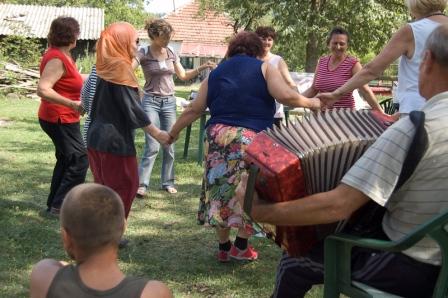
MESOLITHIC KOLO ROUND DANCE AND LABAN SYSTEM
MESOLITHIC KOLO ROUND DANCE AND LABAN SYSTEM Tracing the Phenomenology of South Slavic Landscape and Body Movements inter- related to Laban Notation System By Danica Anderson Abstract The origins of the kolo, a South Slavic round dance or to be in a circle (Hubbs, 1993) are Mesolithic intangible heritage. Surviving exploitation as touristic folk dances only in modern day, the ritual round dance organizes what the past peoples observed and lived that serve the needs and interests of our present lives. The Laban system descriptive and iconic graphing of movement, a way of preserving body movements, privileges both a visual repeating encounter with the symbolic notations and that of the body movements; the conflagration of iconic movements in the kolo is, also, organized into preservation of body movements. The kolo (2005) is essentially, an ethnochoreological lived circle or round dance and a living movement practiced continually throughout the ages in its visual and body movement presentation requiring preservation and research of its lived applications. South Slavic Kolo and Knust-Laban Notation A new philology burst forth in the 1990’s with the Knust-Laban’s notation (also known as Labanotation) that was integrated into the study of the South Slavic Kolo, round dance or to be in the circle. Researchers in body movement to ethnology demanded intensive scientific methods in preserving the physical movements/dance to cultural landscapes and it found that the Laban methodology lends a fuller descriptive survey and understanding of the South Slavic kolo─ round dances properties and practices. The milieu and activities of the kolo when interleaved with Laban allows multiple reinterpretations of the living kolo monuments from the Slavic ancestors. The Laban Notation as a tool for ethnological exploration of the kolo assisted researchers of the kolo to be culturally specific, inclusive of her/historical perspective fostering an interpretive modern scholarship. The serious pioneering attempts in Serbian Ethnochoreology by two Serbian (South Slavic-formerly Yugoslavs) sisters, Danica and Ljubica Jankovic, in the 1930’s, (Jankovic, 1934, 1952) to preserve intangible heritage, commenced to document the kolo for pattern, rhythm, and melody of the steps into graphs and diagrams. Ethnochoreology is the description of ethnicity, culture or long term memorialization practices –mnemonic activities- such as daily body movements capsulated and ever evolving into the kolo with multivalent symbolic choreography. The written page can transmit only so much of the South Slavic spiritual and embodied intangible heritage commemorative meanings of the kolo but for the Jankovic sisters the body and body movements in the kolo are the written pages. The kolo is a mega-library of ethnochoreographic body movements enlisting an oral heritage tradition in two steps: 1) A careful examination of the phenomenon to be able to re-create the past with current generation’s body movements and; 2) Life experiences that is included each time the kolo is danced and manifesting a sense of place and space (Bachelard 1964). Indigenously for the Serbian Jankovic sisters in the recording, recovery and restoration of kolo folk dance movements (Jankovic, 1934, 1952) with the Labanotation application, both expressed the same immediate understanding without words the body movements and resulting rhythm. The Slavic peoples with their oral heritage practices are memories suffused with human life but the kolos were considered primitive. The preservation of ancient oral traditions most likely resulted from the astounding fact that the Serbo-Croatian language did not have an alphabet until the late 1800’s (O ‘Beirne, 1921). The Jankovic sisters argued that oral traditions easily contained all past and current body and life experiences in its static or natural state in extraordinary iconic properties in the somatic or living kolo while libraries of information and science has not preserved into the present moment past her/historical and ethnological patterns. The Laban notation system lends itself to the preservation of the kolo’s iconic and symbolic properties. The South Slavic peoples with prodigious memory abilities, orally organized; the recall of intact memories is mnemonically recalled and recreated with the body movements in the kolo and with accuracy throughout thousands of generations. However, intangible heritage such as the South Slavic oral traditions practices needed a receptacle that had keys to the esoteric meanings of the kolo. Their art of storytelling and South Slavic storied instructions is done through descriptive movement inclusive of culturally specific to landscape and peoples (Van Dyke, Alcock, 2006) as opposed to comparisons, semantics or disembodied scientific analysis. In the 1930’s the Jankovic sisters utilized auxiliary signs, diagrams and graphs to chart the round dances-kolo (Jankovic, 1934, 1952). The eight book series in Serbo-Croatian with authors unknown called Nadrodne Igre have an immediate understanding of the intangible heritage and ethnochoreology practices explored in the kolo (Bajic, 2006). The literal translation of the title Nadrodne Igre is ‘people’s play.’ Kolos are akin to Dance/Movement Therapy and strongly aligned with Laban and Bartenieff avoidance of a “mechanistic approach to movement which they considered not only inefficient but also harmful for individual’s self-image.” (Knaster, 1996) Interestingly, the accompaniment to the kolo is the South Slavic ‘Women’s songs.’ The kolo, a South Slavic intangible heritage in commemorative approaches to include music and songs immediately relate as being the same science of observing and recording both body movements and that of the landscapes in the kolos. Observing reoccurring patterns in nature, in our bodies, life experiences ultimately for the South Slavs evolved into a movement epigraphy ”memory and locality conjoin in this instance and gather force in the return to a past lived landscape…” (Van Dyke, Alcock, 2006). However, what is exclusive to the Serbian round dances-kolos, are the diverse individual leg movements-steps which is distinctive in the intangible kolo heritage capturing each unique fingerprint of the dancers both past and present (Jankovic, 1934, 1952). Capturing the unique footprints mirroring our “no two alike” fingerprints is a significant ethnochoreological endeavor in line with Mother Nature’s sense of order. Within Laban analysis the focus is, also, toward the inner energy merged with the movement behaviors that specifically points to time as sudden or sustained and space as direct or indirect (Knaster, 1996). What
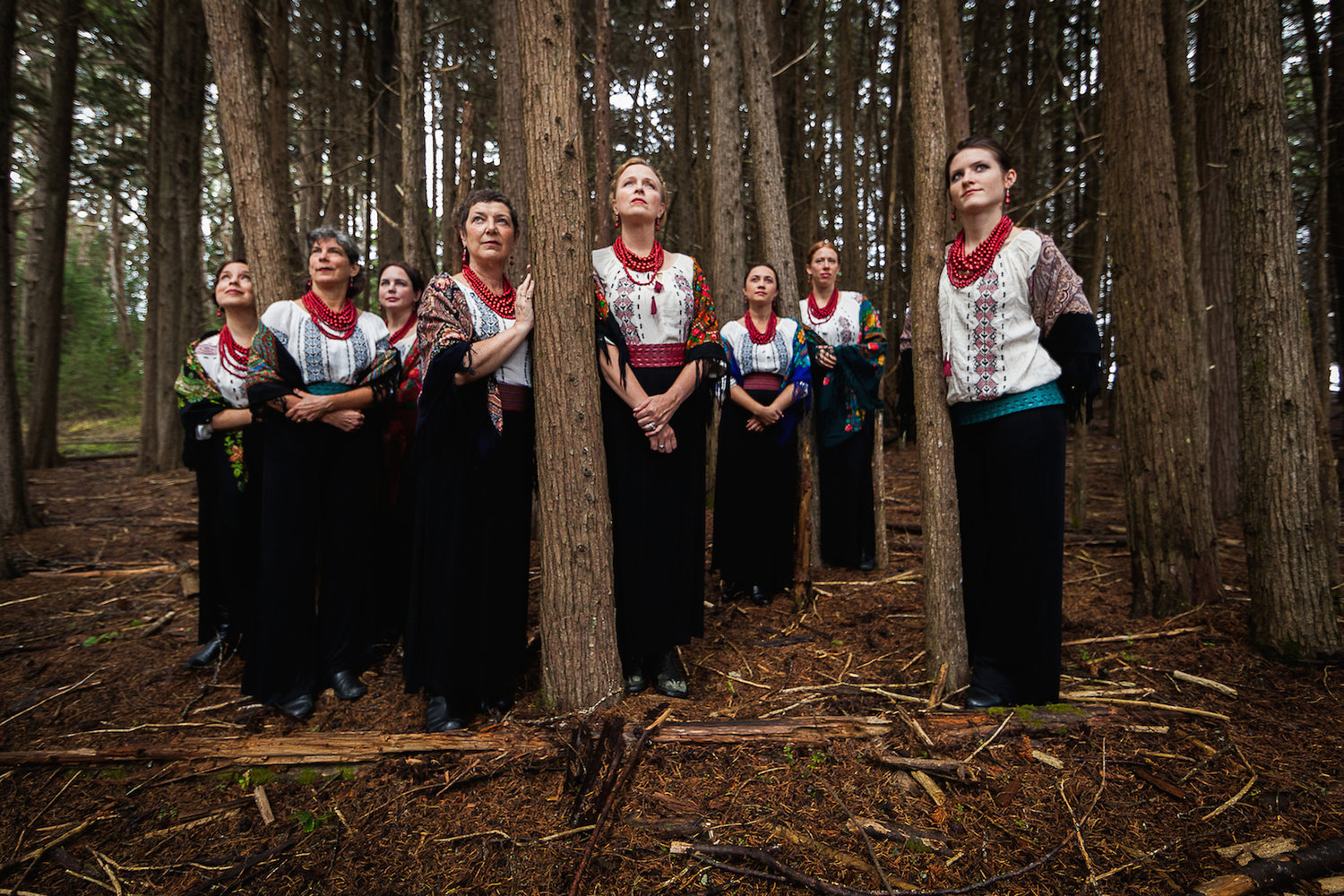
“Why Music?” a short interview with Bosnian folksinger, Mary Sherhart
[fusion_builder_container hundred_percent=”no” equal_height_columns=”no” menu_anchor=”” hide_on_mobile=”small-visibility,medium-visibility,large-visibility” class=”” id=”” background_color=”” background_image=”” background_position=”center center” background_repeat=”no-repeat” fade=”no” background_parallax=”none” parallax_speed=”0.3″ video_mp4=”” video_webm=”” video_ogv=”” video_url=”” video_aspect_ratio=”16:9″ video_loop=”yes” video_mute=”yes” overlay_color=”” video_preview_image=”” border_size=”” border_color=”” border_style=”solid” padding_top=”” padding_bottom=”” padding_left=”” padding_right=””][fusion_builder_row][fusion_builder_column type=”1_1″ layout=”1_1″ background_position=”left top” background_color=”” border_size=”” border_color=”” border_style=”solid” border_position=”all” spacing=”yes” background_image=”” background_repeat=”no-repeat” padding_top=”” padding_right=”” padding_bottom=”” padding_left=”” margin_top=”0px” margin_bottom=”0px” class=”” id=”” animation_type=”” animation_speed=”0.3″ animation_direction=”left” hide_on_mobile=”small-visibility,medium-visibility,large-visibility” center_content=”no” last=”no” min_height=”” hover_type=”none” link=””][fusion_text columns=”” column_min_width=”” column_spacing=”” rule_style=”default” rule_size=”” rule_color=”” hide_on_mobile=”small-visibility,medium-visibility,large-visibility” class=”” id=”” animation_type=”” animation_direction=”left” animation_speed=”0.3″ animation_offset=””] Mary Sherhart venerates the ritual practices and social memory oral traditions of the South Slavs that is often coupled with larger festive event and performances. The Kolo, (round dance or to be in the circle) is filled with the love of music and dance. The effect is to heighten festivals as fundamentally acts of commemoration and remembrance. The songs and kolos are mnemonic practices of South Slavic oral traditions that share two universal features of community and social ceremonies. [/fusion_text][/fusion_builder_column][/fusion_builder_row][/fusion_builder_container]