
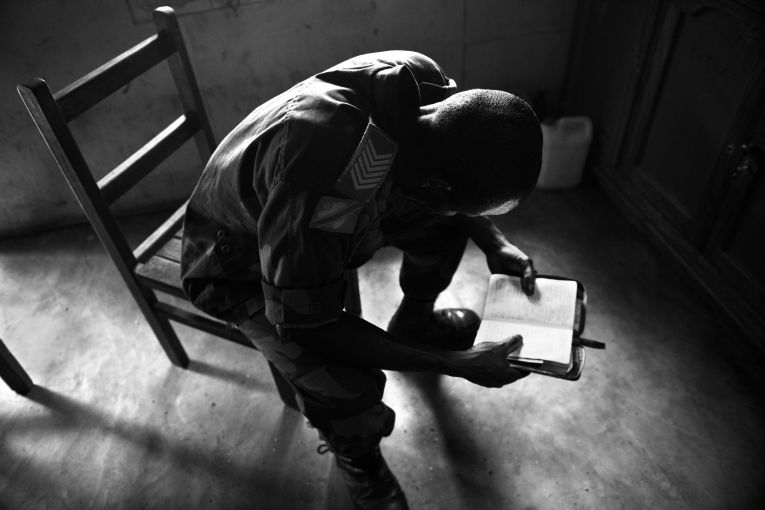
[fusion_builder_container hundred_percent=”no” equal_height_columns=”no” menu_anchor=”” hide_on_mobile=”small-visibility,medium-visibility,large-visibility” class=”” id=”” background_color=”” background_image=”” background_position=”center center” background_repeat=”no-repeat” fade=”no” background_parallax=”none” parallax_speed=”0.3″ video_mp4=”” video_webm=”” video_ogv=”” video_url=”” video_aspect_ratio=”16:9″ video_loop=”yes” video_mute=”yes” overlay_color=”” video_preview_image=”” border_size=”” border_color=”” border_style=”solid” padding_top=”” padding_bottom=”” padding_left=”” padding_right=””][fusion_builder_row][fusion_builder_column type=”1_1″ layout=”1_1″ background_position=”left top” background_color=”” border_size=”” border_color=”” border_style=”solid” border_position=”all” spacing=”yes” background_image=”” background_repeat=”no-repeat” padding_top=”” padding_right=”” padding_bottom=”” padding_left=”” margin_top=”0px” margin_bottom=”0px” class=”” id=”” animation_type=”” animation_speed=”0.3″ animation_direction=”left” hide_on_mobile=”small-visibility,medium-visibility,large-visibility” center_content=”no” last=”no” min_height=”” hover_type=”none” link=””][fusion_text] Why Soldiers Rape By Helen Benedict, In These Times Printed September 13, 2008 Editor’s note: This article is adapted from “<http://www.helenbenedict.com/>The Lonely Soldier: The Private War of Women Serving in Iraq,” to be published by Beacon Press in April 2009. An alarming number of women soldiers are being sexually abused by their comrades-in-arms, both at war and at home. This fact has received a fair amount of attention lately from researchers and the press — and deservedly so. But the attention always focuses on the women: where they were when assaulted, their relations with the assailant, the effects on their mental health and careers, whether they are being adequately helped, and so on. That discussion, as valuable as it is, misses a fundamental point. To understand military sexual assault, let alone know how to stop it, we must focus on the perpetrators. We need to ask: Why do soldiers rape? Rape in civilian life is already unacceptably common. One in six women is raped or sexually assaulted in her lifetime, according to the National Institute of Justice, a number so high it should be considered an epidemic. In the military, however, the situation is even worse. Rape is almost twice as frequent as it is among civilians, especially in wartime. Soldiers are taught to regard one another as family, so military rape resembles incest. And most of the soldiers who rape are older and of higher rank than their victims, so are taking advantage of their authority to attack the very people they are supposed to protect. Department of Defense reports show that nearly 90 percent of rape victims in the Army are junior-ranking women, whose average age is 21, while most of the assailants are non-commissioned officers or junior men, whose average age is 28. This sexual violence persists in spite of strict laws against rape in the military and a concerted Pentagon effort in 2005 to reform procedures for reporting the crime. Unfortunately, neither the press nor the many teams of psychologists and sociologists who study veterans ever seem to ask why. The answer appears to lie in a confluence of military culture, the psychology of the assailants and the nature of war. Two seminal studies have examined military culture and its attitudes toward women: one by Duke University Law Professor Madeline Morris in 1996, which was presented in the paper “By Force of Arms: Rape, War, and Military Culture” and published in Duke Law Journal; and the other by University of California professor and folklorist Carol Burke in 2004 and explained in her book, Camp All-American, Hanoi Jane and the High-And-Tight: Gender, Folklore and Changing Military Culture (Beacon Press). Both authors found that military culture is more misogynistic than even many critics of the military would suspect. Sometimes this misogyny stems from competition and sometimes from resentment, but it lies at the root of why soldiers rape. One recent Iraq War veteran reflected this misogyny when he described his Marine Corp training for a collection of soldiers’ works called Warrior Writers, published by Iraq Veterans Against the War in 2008: The [Drill Instructor’s] nightly homiletic speeches, full of an unabashed hatred of women, were part of the second phase of boot camp: the process of rebuilding recruits into Marines. Morris and Burke both show that military language reveals this “unabashed hatred of women” all the time. Even with a force that is now 14 percent female, and with rules that prohibit drill instructors from using racial epithets and curses, those same instructors still routinely denigrate recruits by calling them “pussy,” “girl,” “bitch,” “lady” and “dyke.” The everyday speech of soldiers is still riddled with sexist insults. Soldiers still openly peruse pornography that humiliates women. (Pornography is officially banned in the military, but is easily available to soldiers through the mail and from civilian sources, and there is a significant correlation between pornography circulation and rape rates, according to Duke’s Morris. And military men still sing the misogynist rhymes that have been around for decades. For example, Burke’s book cites this Naval Academy chant: Who can take a chainsaw Cut the bitch in two Fuck the bottom half And give the upper half to you The message in all these insults is that women have no business trying to be soldiers. In 2007, Sgt. Sarah Scully of the Army’s 8th Military Police Brigade wrote to me in an e-mail from Kuwait, where she was serving: “In the Army, any sign that you are a woman means you are automatically ridiculed and treated as inferior.” Army Spc. Mickiela Montoya, who was in Iraq for 11 months from 2005-2006, put it another way: “There are only three things the guys let you be if you’re a girl in the military: a bitch, a ho or a dyke. One guy told me he thinks the military sends women over to give the guys eye candy to keep them sane. He told me in Vietnam they had prostitutes, but they don’t have those in Iraq, so they have women soldiers instead.” The view of women as sexual prey has always been present in military culture. Indeed, civilian women have been seen as sexual booty for conquering soldiers since the beginning of human history. So, it should come as no surprise that the sexual persecution of female soldiers has been going on in the armed forces for decades. A 2004 study of veterans from Vietnam and all wars since, conducted by psychotherapist Maureen Murdoch and published in the journal Military Medicine, found that 71 percent of the women said they were sexually assaulted or raped while serving. In 2003, a survey of
The Wild Elephant Encounter
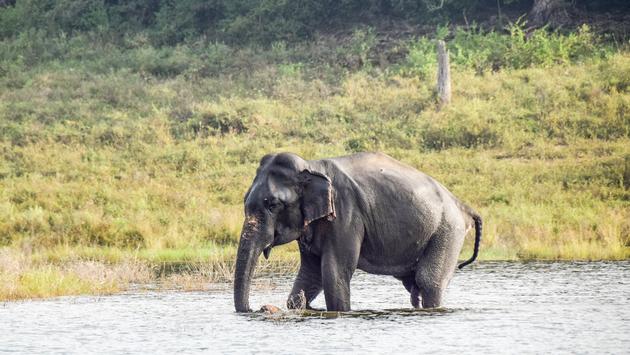
[fusion_builder_container hundred_percent=”no” equal_height_columns=”no” menu_anchor=”” hide_on_mobile=”small-visibility,medium-visibility,large-visibility” class=”” id=”” background_color=”” background_image=”” background_position=”center center” background_repeat=”no-repeat” fade=”no” background_parallax=”none” parallax_speed=”0.3″ video_mp4=”” video_webm=”” video_ogv=”” video_url=”” video_aspect_ratio=”16:9″ video_loop=”yes” video_mute=”yes” overlay_color=”” video_preview_image=”” border_size=”” border_color=”” border_style=”solid” padding_top=”” padding_bottom=”” padding_left=”” padding_right=””][fusion_builder_row][fusion_builder_column type=”1_1″ layout=”1_1″ background_position=”left top” background_color=”” border_size=”” border_color=”” border_style=”solid” border_position=”all” spacing=”yes” background_image=”” background_repeat=”no-repeat” padding_top=”” padding_right=”” padding_bottom=”” padding_left=”” margin_top=”0px” margin_bottom=”0px” class=”” id=”” animation_type=”” animation_speed=”0.3″ animation_direction=”left” hide_on_mobile=”small-visibility,medium-visibility,large-visibility” center_content=”no” last=”no” min_height=”” hover_type=”none” link=””][fusion_text] The wild elephant encounter In 2003, an Italian NGO and UNICEF contracted me to go to Anaradapura in Sri Lanka and teach on the subject of gender-based violence. As part of the assignment, I was ensconced in a small house on the grounds of a hotel resort run by a Sri Lankan and his Italian wife. These were special accommodations. The grounds were shrouded by a 12-foot-high fence topped with barbed wire. The facility inside was beyond beautiful, and its special nature was by design. Frequent guests included UN staff, humanitarian aid workers, and the Prime Minister of Sri Lanka. During my stay, the area was also being used to accommodate the hotel owner’s mother-in-law. I was told these accommodations would help ensure I would not fall ill during the six-week stay. Each day after conducting training, I would hurry out the facility’s back gate to look upon a nearby reservoir. Just beyond the fence was a set of stone benches. The view was peaceful and beautiful. One day as I sat on a bench enjoying the view, I spied a huge bill elephant with tusks in the reservoir, about a quarter mile away. It was thrilling to see a wild elephant. Later, the owner of the hotel was overjoyed by the news of my elephant sighting. He said no guest and none of his workers ever reported witnessing elephants at the reservoir. I continued to visit the reservoir just beyond the gate. With each visit my appreciation for the reservoir’s beauty grew. Sometimes I had to run across the grounds to make my way beyond the gate and reach the benches to have enough time to linger before nightfall. One day I ran across the grounds, shoved open the back gate, and started to run instinctively in the direction of the benches. But I stopped myself abruptly when I realized something was right in front of me, so large that I had not been able to notice it. I looked up and found myself staring into the eyes of a wild elephant staring right back at me. I felt mesmerized by the elephants large eyes. In that moment I felt only love. What must have been a profound silence was eventually broken by a whispered shout. It was the hotel owner calling out to me, telling me to not move. From my point of view, from inside the encounter, I felt completely at ease, and because of that I told the hotel owner to just shut up. After a few minutes, the elephant moved away and found a patch of ground to give itself a dirt bath. I sat down on the bench and promptly began journaling about my encounter. I did not appreciate the dirt that was flying onto the pages of my journal, and I yelled at the elephant and demanded it stop. The elephant did not stop. Instead, the elephant lay down at my feet and slept for a half hour. When it finally rose, the elephant stood before me and showed me its knee. Apparent was an injury. Walking off silently into the same jungle from where it came, the elephant left and I started to cry. The owner rushed out from the protected compound, excited and relieved. He informed me that no one ever lives to tell a story about an intimate encounter with a wild elephant. Being an American, I had no idea about this one way or the other. Fear was not at all a part of my feelings from this experience. At the training the next morning, all thirty of the students bowed reverently to me. Somehow they had heard about my wild elephant encounter and all they wanted to do was talk about it. They bowed to me reverently and, jokingly, I encouraged them to teach this kind of respect to my children. At lunchtime, I ate with the students. As is local custom, we ate without the aid of utensils, just clean hands to scoop up my curried rice and vegetables. I was served a special rice dish by the cook, who also had heard about my encounter. Back at the hotel, I found an altar honoring the Hindu elephant diety Ganesh. I decorated it with food and flowers. Later, I saved food from the buffet and gave the food to the women sweepers who would come to my window every early morning, singing the Gayatri Mantra, a sacred Hindu hymn. [/fusion_text][/fusion_builder_column][/fusion_builder_row][/fusion_builder_container]

History of The Kolo: Women’s Cross-Cultural Collaboration
[fusion_builder_container hundred_percent=”no” hundred_percent_height=”no” hundred_percent_height_scroll=”no” hundred_percent_height_center_content=”yes” equal_height_columns=”no” menu_anchor=”” hide_on_mobile=”small-visibility,medium-visibility,large-visibility” status=”published” publish_date=”” class=”” id=”” border_size=”” border_color=”” border_style=”solid” margin_top=”” margin_bottom=”” padding_top=”” padding_right=”” padding_bottom=”” padding_left=”” gradient_start_color=”” gradient_end_color=”” gradient_start_position=”0″ gradient_end_position=”100″ gradient_type=”linear” radial_direction=”center” linear_angle=”180″ background_color=”” background_image=”” background_position=”center center” background_repeat=”no-repeat” fade=”no” background_parallax=”none” enable_mobile=”no” parallax_speed=”0.3″ background_blend_mode=”none” video_mp4=”” video_webm=”” video_ogv=”” video_url=”” video_aspect_ratio=”16:9″ video_loop=”yes” video_mute=”yes” video_preview_image=”” filter_hue=”0″ filter_saturation=”100″ filter_brightness=”100″ filter_contrast=”100″ filter_invert=”0″ filter_sepia=”0″ filter_opacity=”100″ filter_blur=”0″ filter_hue_hover=”0″ filter_saturation_hover=”100″ filter_brightness_hover=”100″ filter_contrast_hover=”100″ filter_invert_hover=”0″ filter_sepia_hover=”0″ filter_opacity_hover=”100″ filter_blur_hover=”0″][fusion_builder_row][fusion_builder_column type=”1_1″ layout=”1_1″ spacing=”” center_content=”no” link=”” target=”_self” min_height=”” hide_on_mobile=”small-visibility,medium-visibility,large-visibility” class=”” id=”” hover_type=”none” border_size=”0″ border_color=”” border_style=”solid” border_position=”all” border_radius=”” box_shadow=”no” dimension_box_shadow=”” box_shadow_blur=”0″ box_shadow_spread=”0″ box_shadow_color=”” box_shadow_style=”” padding_top=”” padding_right=”” padding_bottom=”” padding_left=”” margin_top=”” margin_bottom=”” background_type=”single” gradient_start_color=”” gradient_end_color=”” gradient_start_position=”0″ gradient_end_position=”100″ gradient_type=”linear” radial_direction=”center” linear_angle=”180″ background_color=”” background_image=”” background_image_id=”” background_position=”left top” background_repeat=”no-repeat” background_blend_mode=”none” animation_type=”” animation_direction=”left” animation_speed=”0.3″ animation_offset=”” filter_type=”regular” filter_hue=”0″ filter_saturation=”100″ filter_brightness=”100″ filter_contrast=”100″ filter_invert=”0″ filter_sepia=”0″ filter_opacity=”100″ filter_blur=”0″ filter_hue_hover=”0″ filter_saturation_hover=”100″ filter_brightness_hover=”100″ filter_contrast_hover=”100″ filter_invert_hover=”0″ filter_sepia_hover=”0″ filter_opacity_hover=”100″ filter_blur_hover=”0″ last=”no”][fusion_text columns=”” column_min_width=”” column_spacing=”” rule_style=”default” rule_size=”” rule_color=”” hide_on_mobile=”small-visibility,medium-visibility,large-visibility” class=”” id=”” animation_type=”” animation_direction=”left” animation_speed=”0.3″ animation_offset=””] Our story begins in Bosnia, site of recent and past genocides with brutal wars that have displaced and traumatized its people in unspeakable ways. The title is a reflection of this region and its many horrors since the word Balkan translates into ‘blood and honey’. All over the world, women, men and children have suffered immeasurably from horrific acts of violence in countries such as Kenya, the Congo, Rwanda, India, Sri Lanka, the Sudan and Uganda. Not only does the violence traumatize those who face it, the trauma remains with its victims wherever they travel and is passed down generation after generation. The reality is, nothing has been effective in facing this grossly fecund intergenerational trauma—or finding a way to heal the wounds it causes. Women and children, especially young girls, bear the brunt of much of the violence perpetuated throughout the world. According to author Theodor Winkler, violence against women is the fourth-leading cause of premature death on the planet, ranking behind only disease, hunger and war. “We are confronted with the slaughter of Eve, a systematic gendercide of tragic proportion,” wrote Winkler in his book, Women In An Insecure World. Unfortunately, many in the international community don’t even consider rape a war crime. Many media stories have explored violence but often portray women and children only in their victim roles, turning them into poster models for humanitarian aid agencies and allies. Yet, despite such media exposure and new rules of law concerning rape as war crimes, the ripple effect of trauma continues, scarring entire communities around the globe. Our work is informed by the kolo, an ancient round dance and circle tradition tracing beyond Paleolithic origins. The kolo has been known to South Slavs for generations since it shares the amenities of organized social life based on collaboration and peace before war became a modern reality. The kolo tradition integrates traumatized women’s lives through their first person stories. This healing process has been especially beneficial to the people of Bosnia who have experienced three wars in the past 100 years. Through the kolo, this “witnessing” enables people to escape the human bondage to intergenerational trauma and the war environment. The integral part of the kolo, whether dancing the round folk dances or being in a circle, is the concentrated collective ability to bear witness and share one’s story. According to forensic psychotherapist Danica Anderson, PhD and founder of the nonprofit The Kolo: Cross Cultural Collaboration, this circle remains within Bosnians’ consciousness as if it were the only thing from their past that could not be erased. To tell our story we explore how Bosnian Muslim women war survivors and Anderson, an American/Serbian woman raised in a family of violence, continually return to the kolo experience to heal their brutal intergenerational emotional wounds of trauma. As she worked with these women, two important aspects were made evident to Danica. First, the way in which the women grew to understand that in healing their own trauma, they heal all others. The second aspect was their refusal to hover between realms of war and violence. They chose instead to bring an archaic cultural symbolism into the aftermath of war so that the literacy of abundance and peace prevails. Through their stories, they are able to author a nonviolent sequel to their lives—and the lives of their children. The programmatic Kolo Trauma Treatment and Training Format is across the globe as a result. From Africa (Chad, Democratic Republic of the Congo (DRC), Sudan and Uganda), India and Sri Lanka, to the Haiti 2010 earthquake, the Kolo: WCCC has applied the somatic based trauma therapies, one of the earliest forms of sensorimotor psychotherapy and neuropsychological psychology practices. There is no money, no publicity for this work to help the women heal. In Bosnia, the women are empowered by a safe and ancient archeomythology of Old Europe, a symbolic process that does not offend or provoke the ire of patriarchal religions or governing entities. The process ultimately leads to the painful but necessary bearing witness—communal applications of wisdom, resiliency and thriving life skills. And by bearing witness among those with whom they share the circle, the women remember that they are empowered to heal their families and communities. Through the kolo’s universal communal features, Danica has experienced and worked the kolo with women in Africa, Sri Lanka and Kerala, India. The Kolo Trauma Treatment Format revokes any outside authority by empowering the participants, the women, to re-remember they manifest culture and are the healers of their global communities—societies where women and children are not invisible or erased. [/fusion_text][/fusion_builder_column][/fusion_builder_row][/fusion_builder_container]